#스위스 #체르마트 #마테호른 #산악박물관 #잘알려져 #있진않지만 #가보면 #놀라운 #숨은명소
여행을 하다 보면, 사람들로 북적이는 ‘핫플레이스’만큼이나 조용히 감탄하게 되는 ‘숨은 명소’들이 있습니다. 오늘 소개할 곳은 스위스 체르마트(Zermatt)에 있는 마테호른 산악박물관(Matterhorn Museum – Zermatlantis)입니다. 날씨가 좋지 않을 때 ‘대체 코스’로만 생각하기에는 너무나 아깝고, 날씨가 맑아도 일부러 시간을 내서 꼭 방문해볼 가치가 있는 곳이죠.
저 역시 체르마트를 여행하면서 우연히 발견했고, 생각보다 훨씬 알찬 구성과 깊이 있는 전시에 감탄했습니다.
아마 이 글을 읽으시면, 체르마트에 가실 때 일정에 꼭 넣고 싶어지실 겁니다.
유리 피라미드 속 지하 박물관
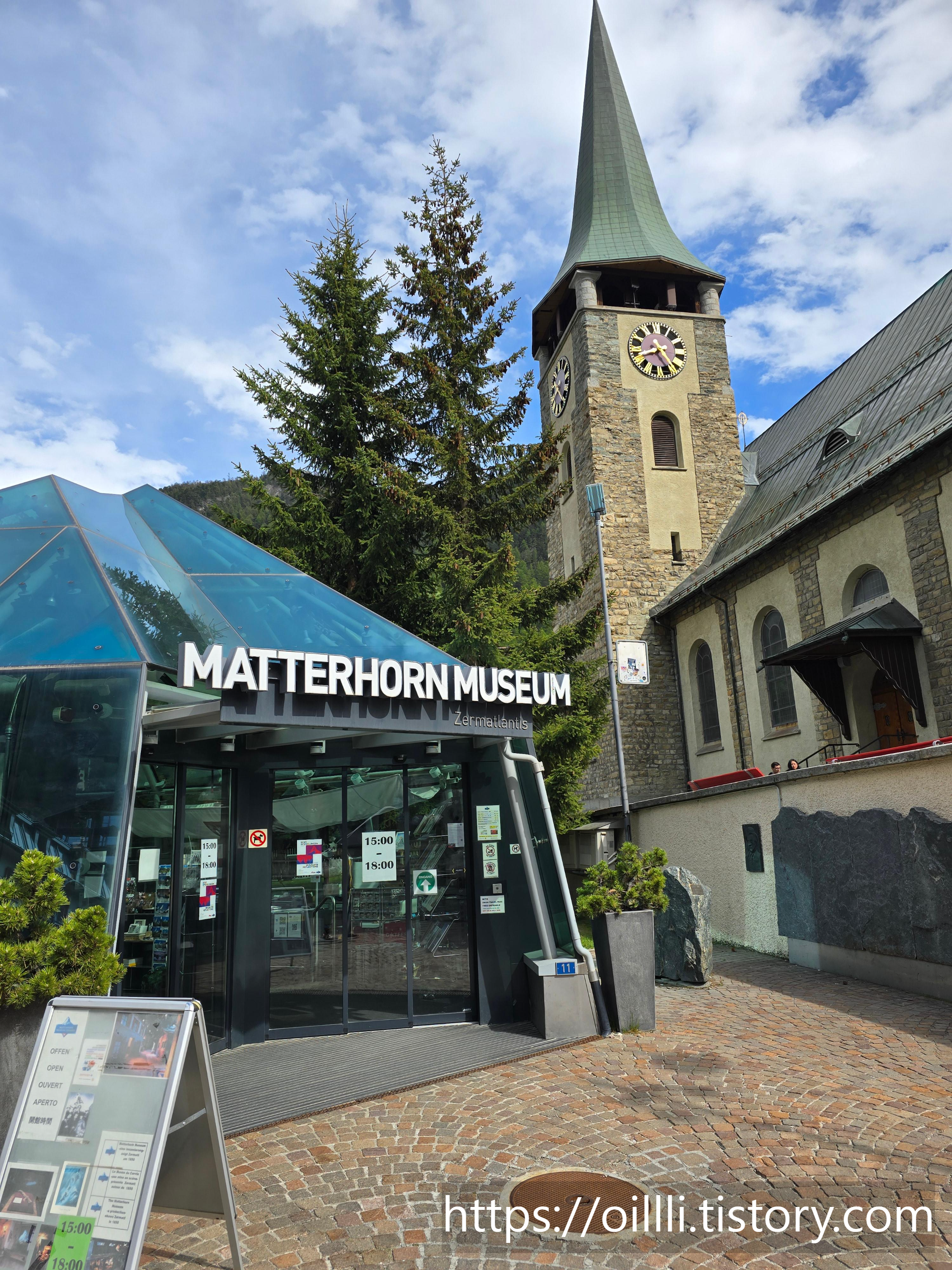
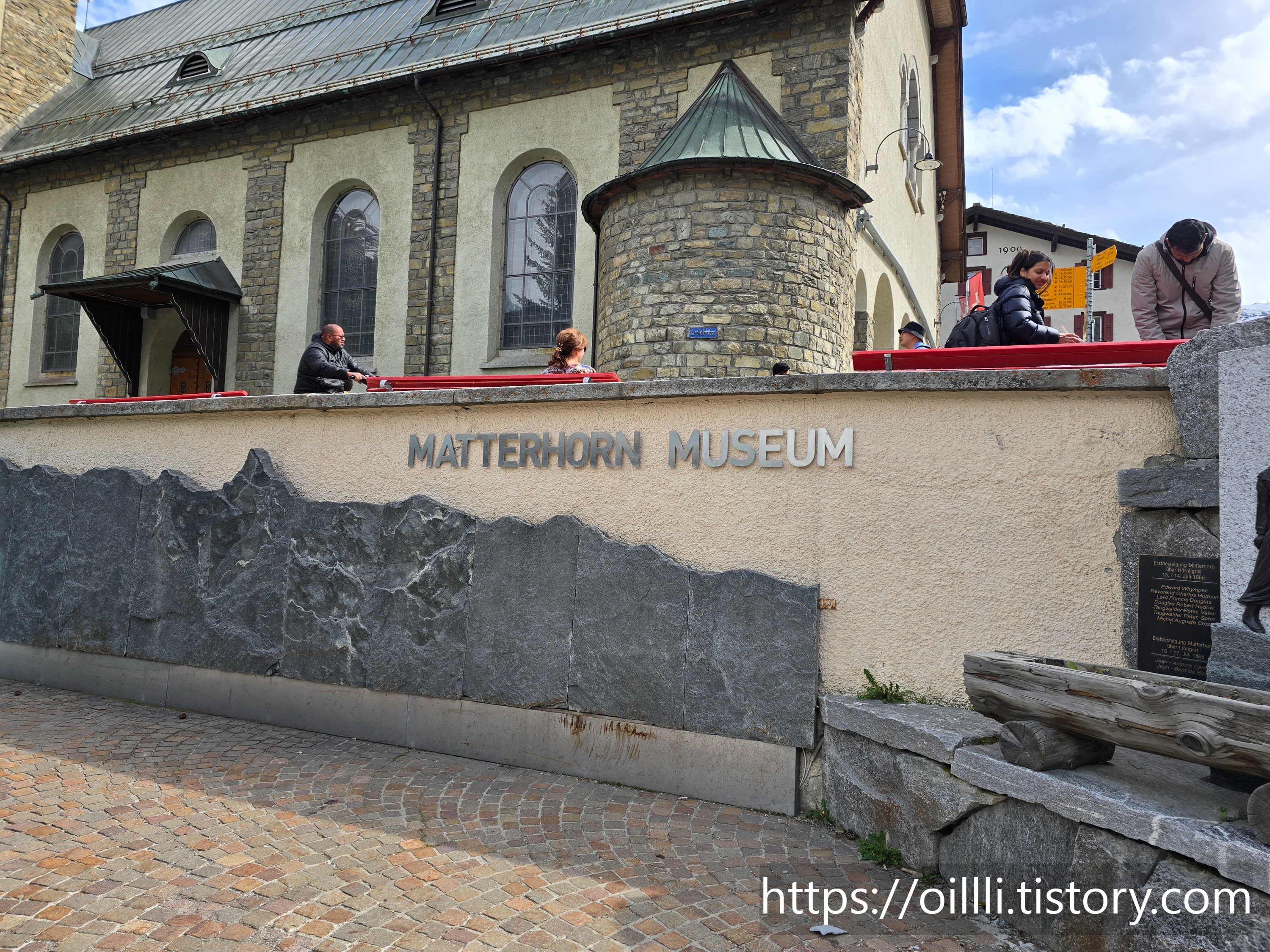
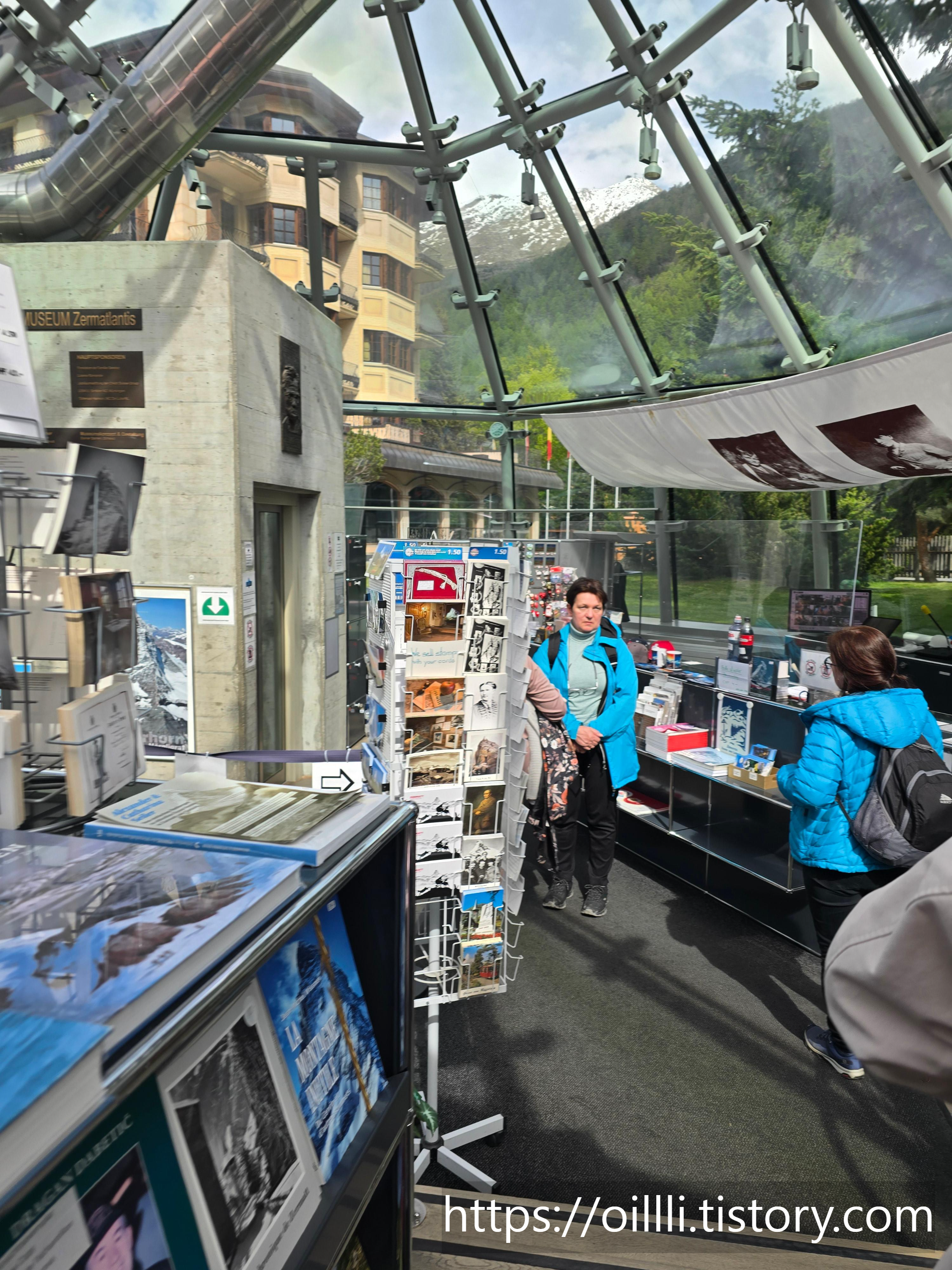
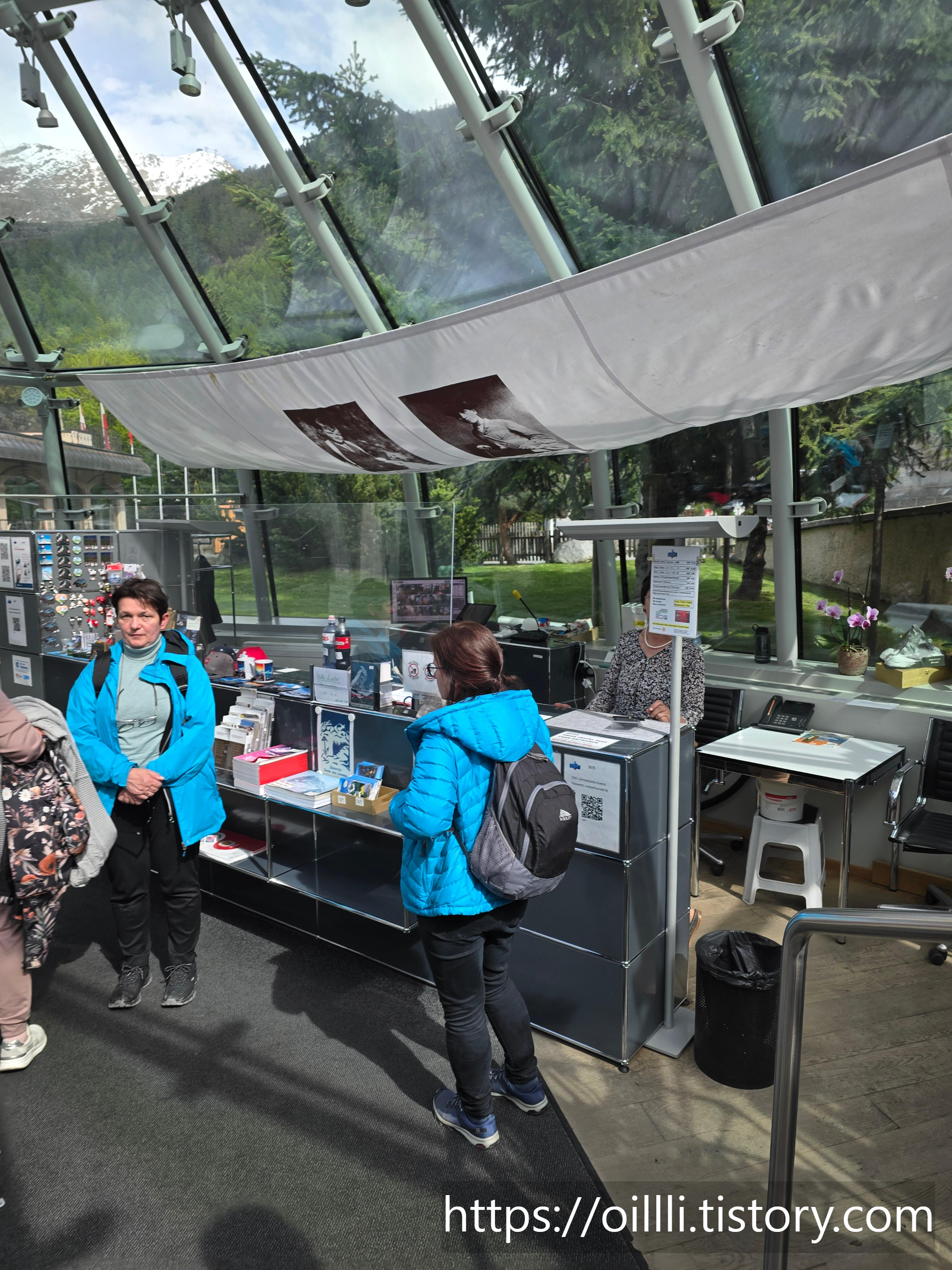
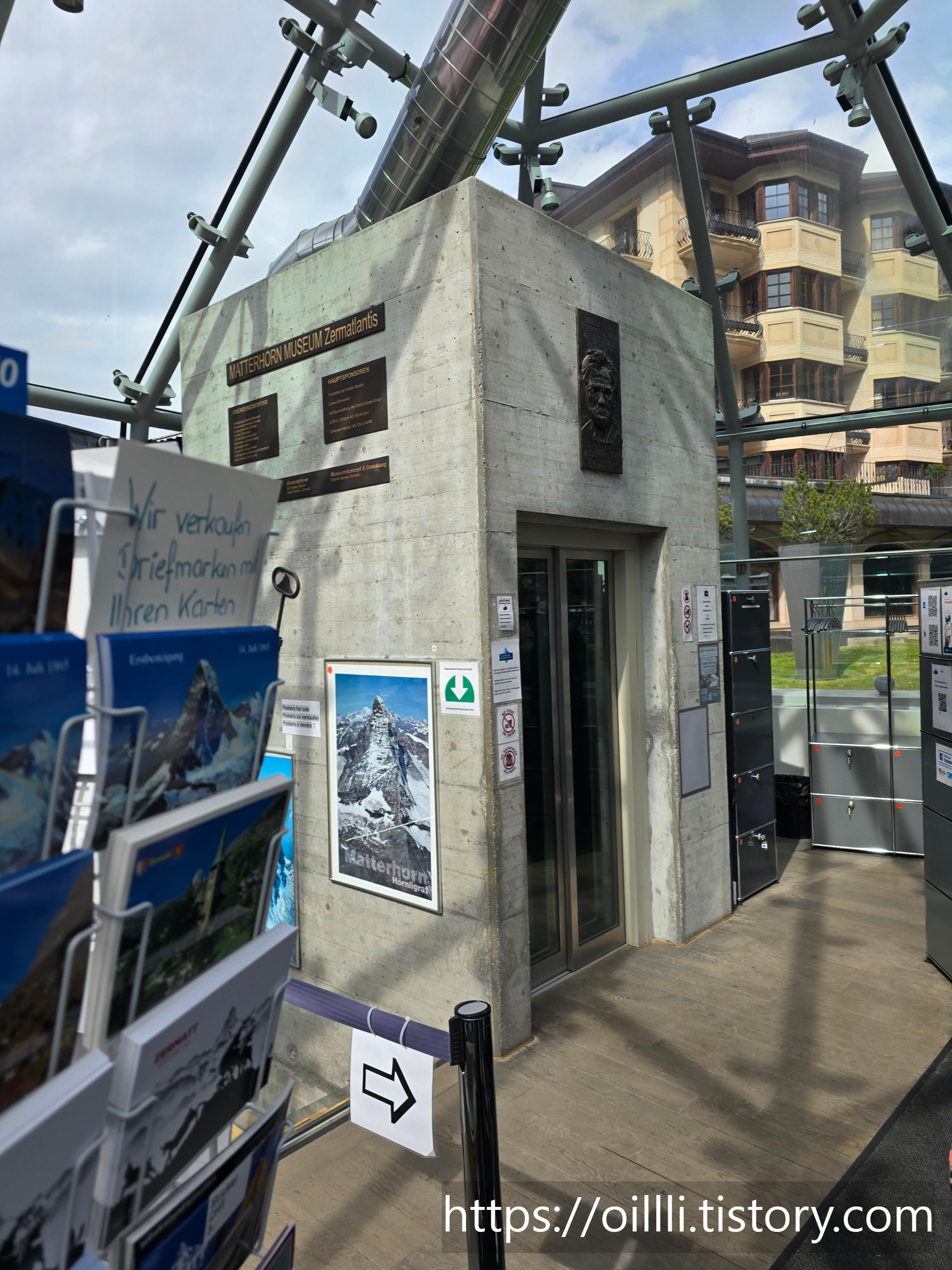
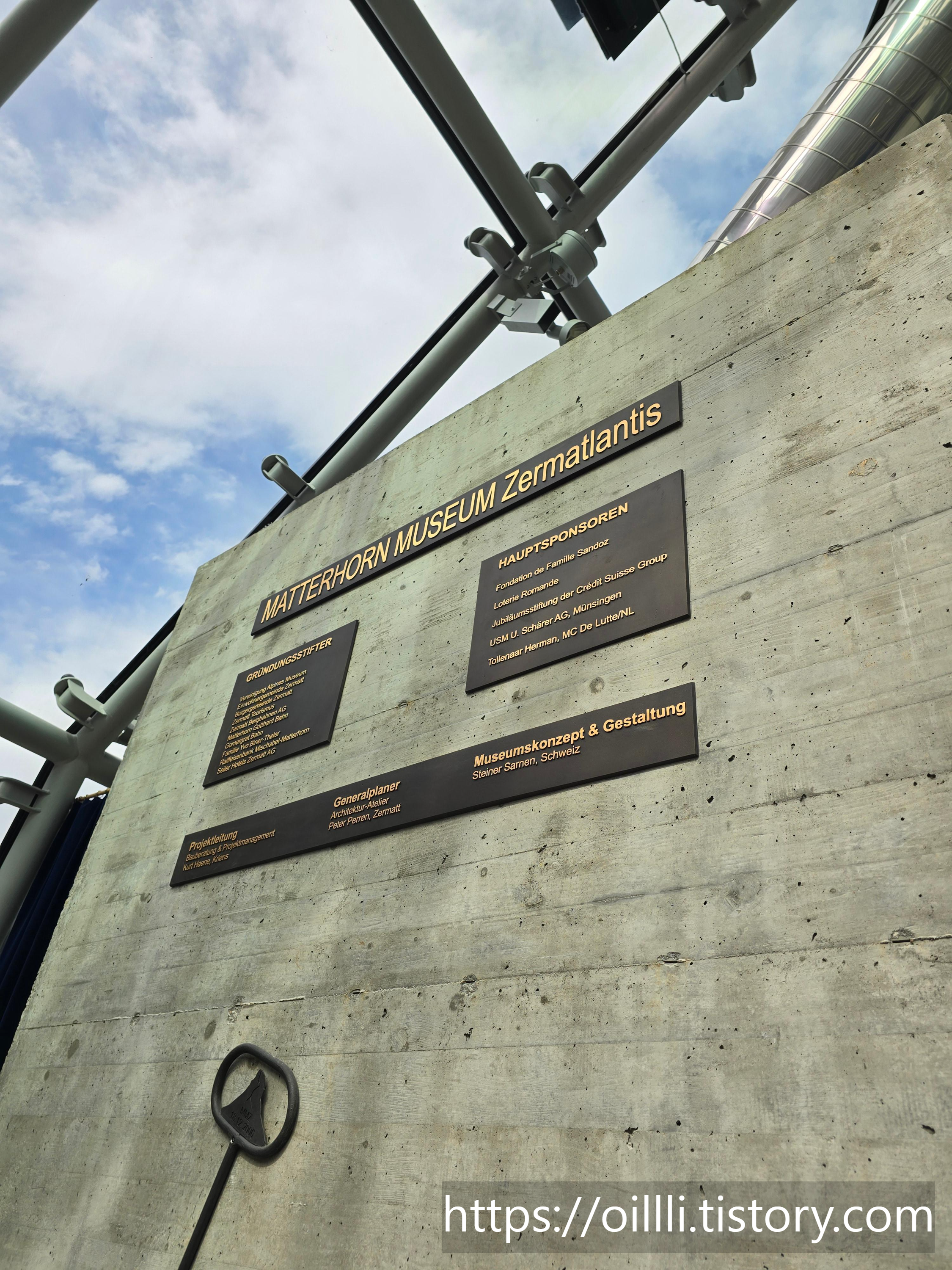
마테호른 산악박물관은 체르마트 중심부 #키르히플라츠 (#Kirchplatz)에 자리 잡고 있습니다.
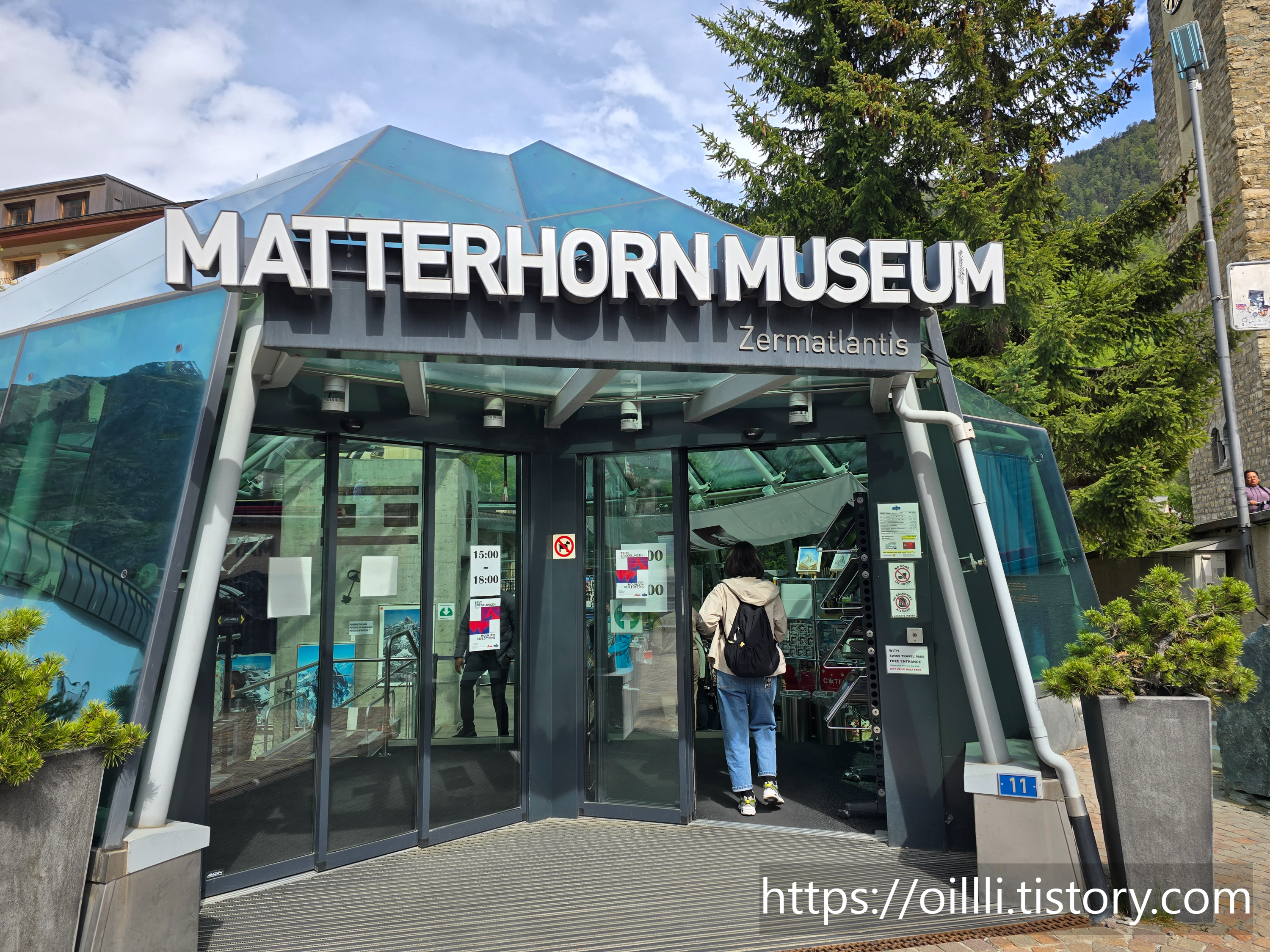
밖에서 보면 단순히 유리 피라미드 형태의 입구만 보여, 처음 보는 사람은 “작은 안내 센터인가?” 하고 지나치기 쉽습니다.
하지만 이 입구 아래로 내려가면 전혀 다른 세계가 펼쳐집니다.
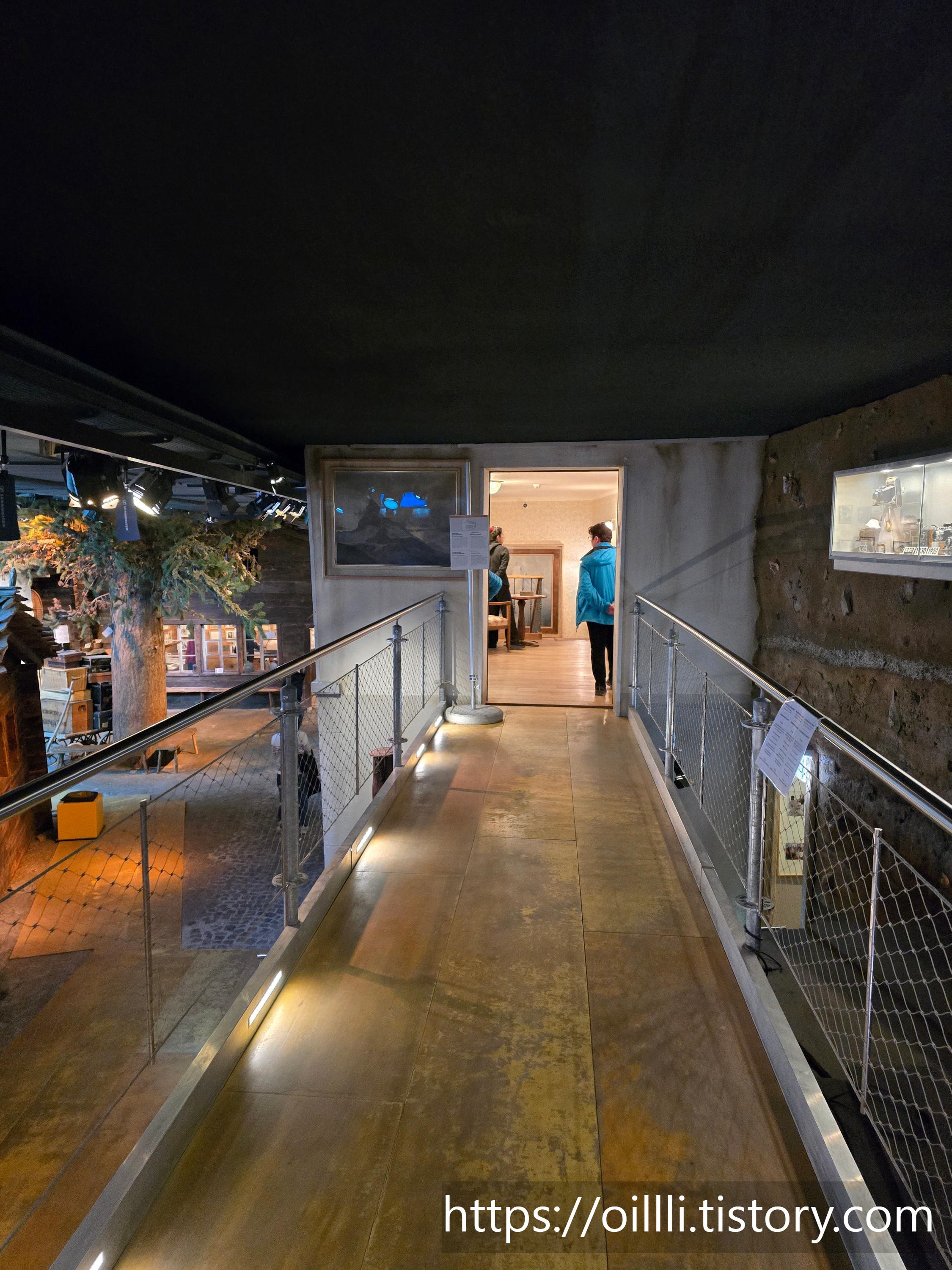
지하에 넓게 조성된 전시 공간은 마치 ‘숨겨진 알파인 마을’로 들어가는 듯한 느낌을 줍니다.
전시의 핵심 – 14채의 실물 크기 전통 목조건물
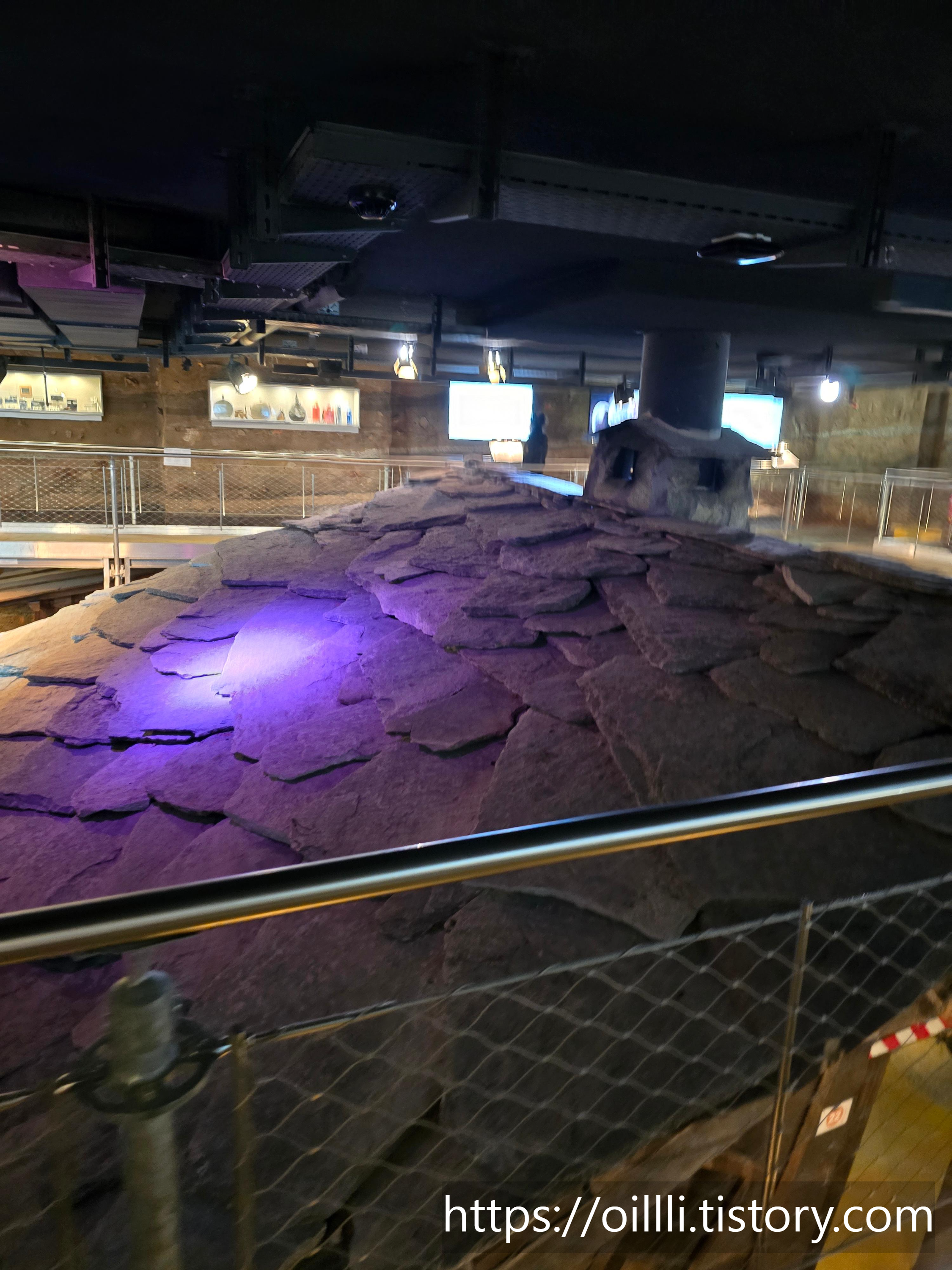
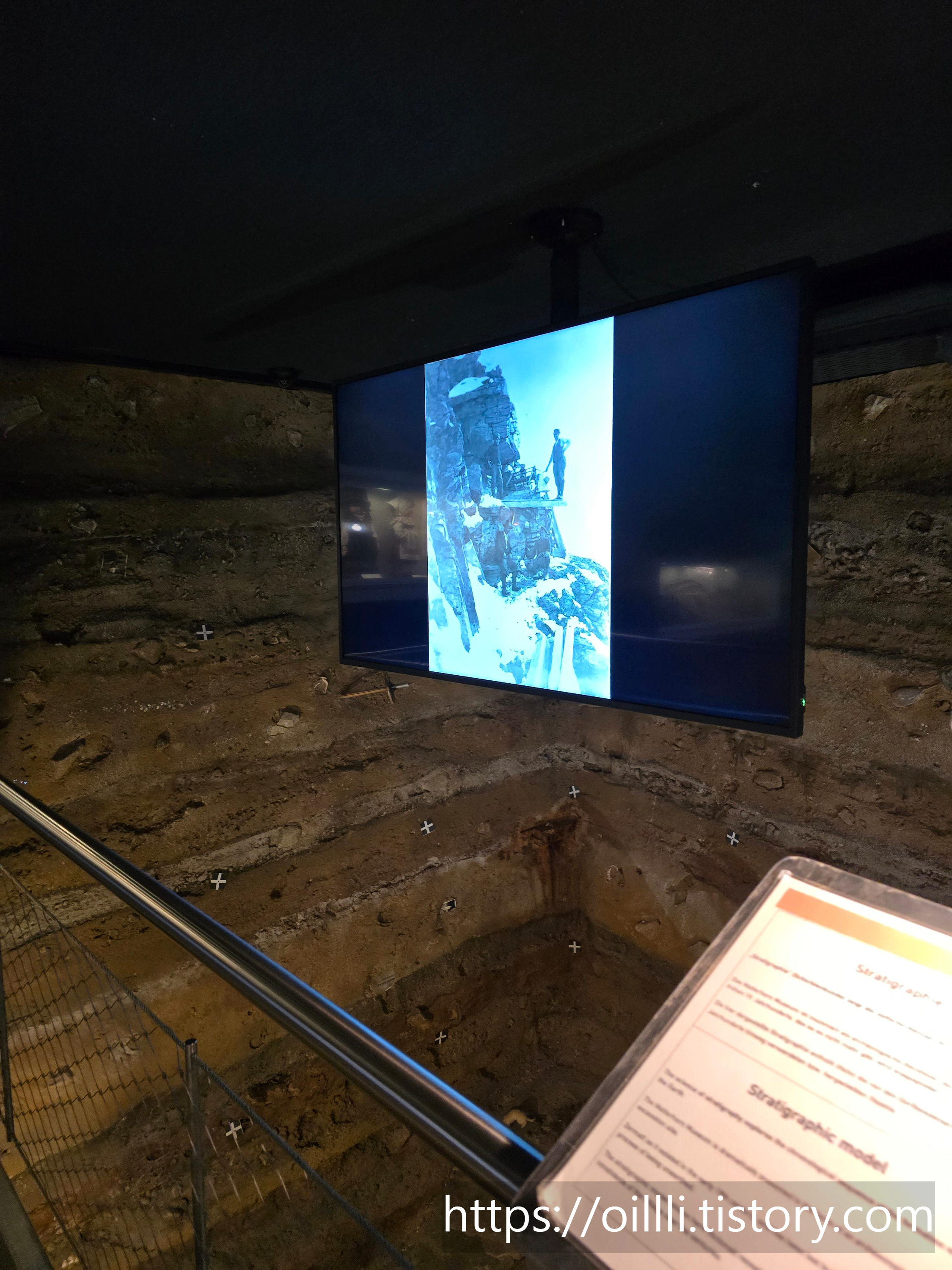
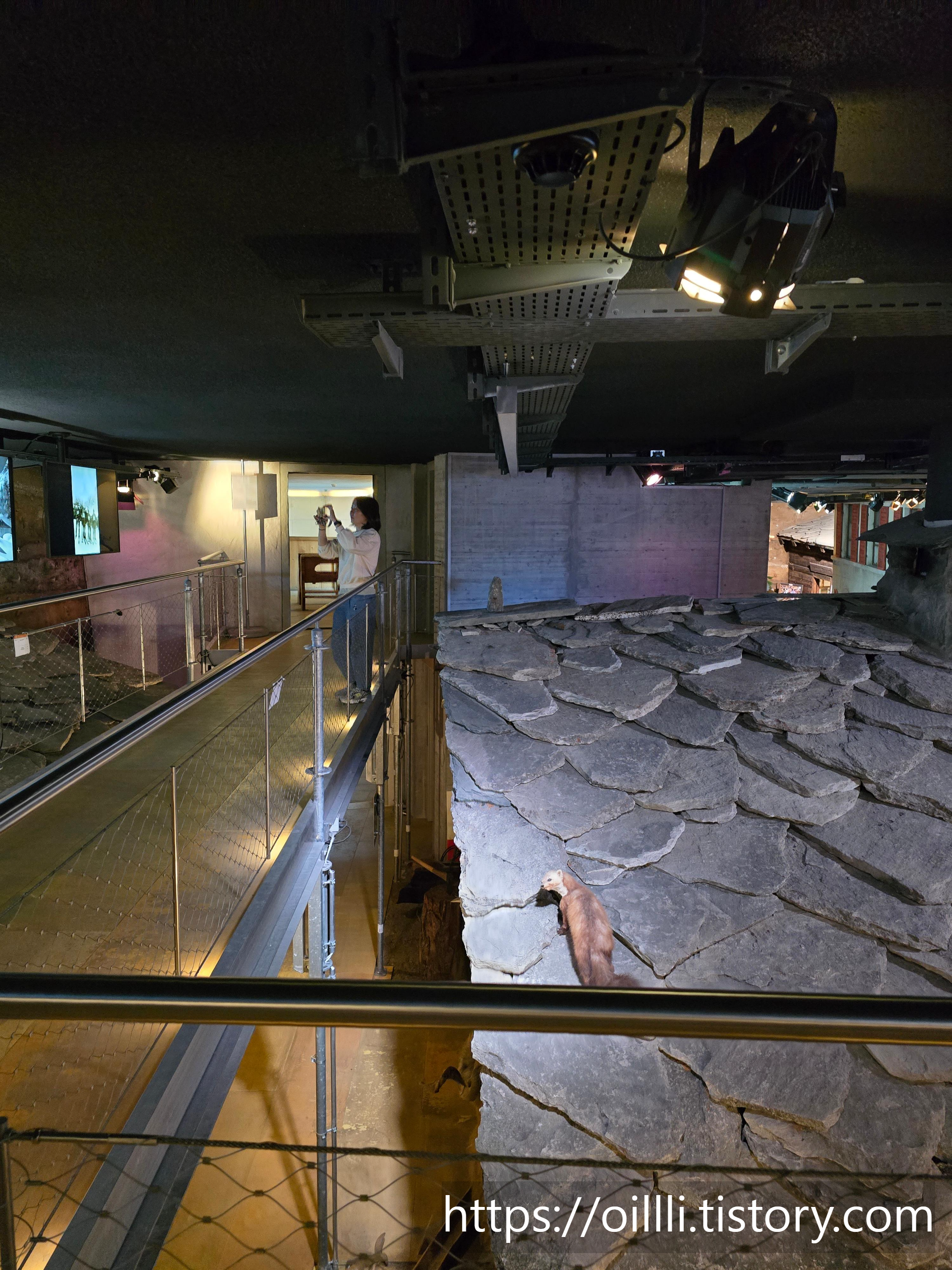
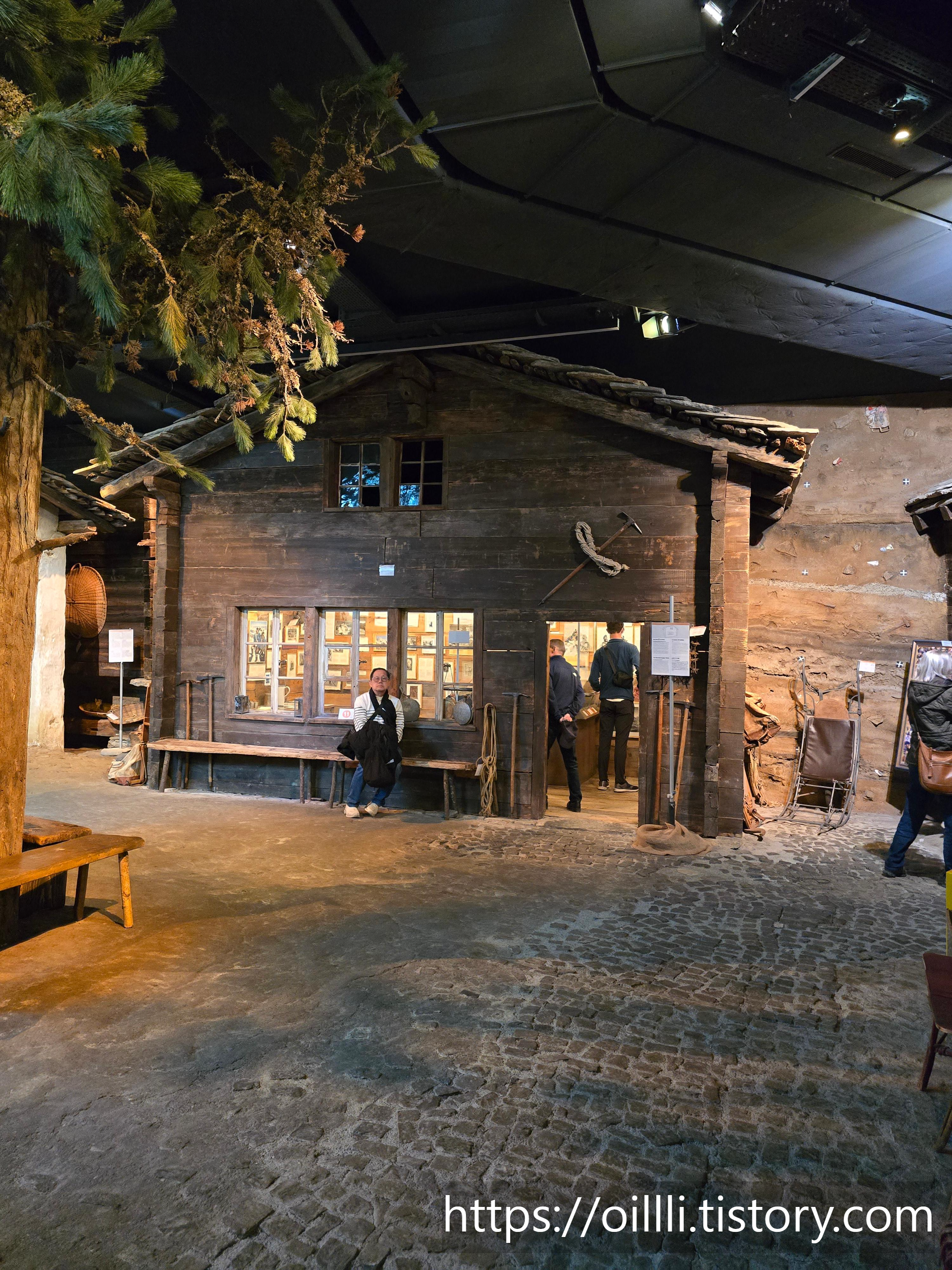
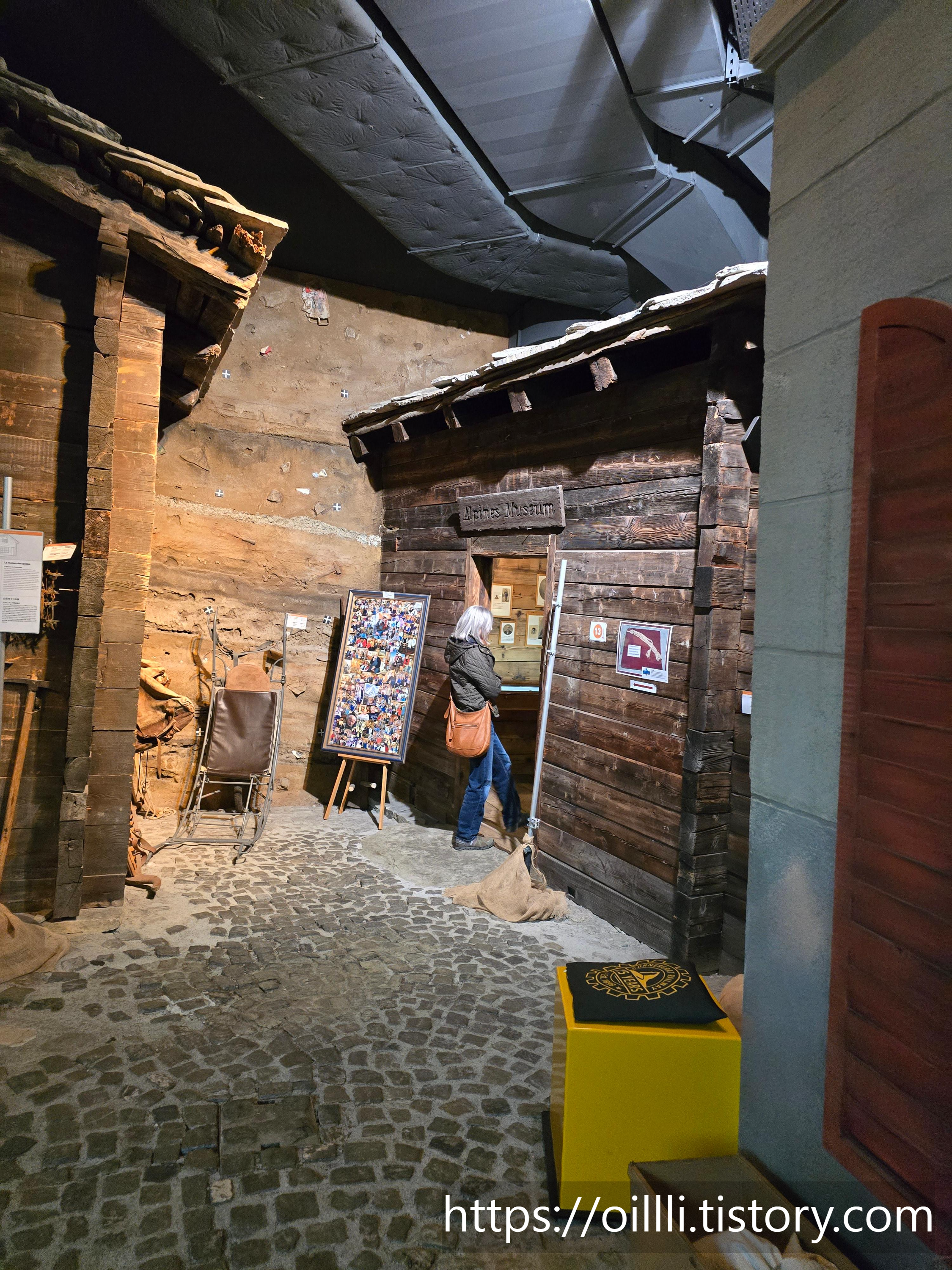
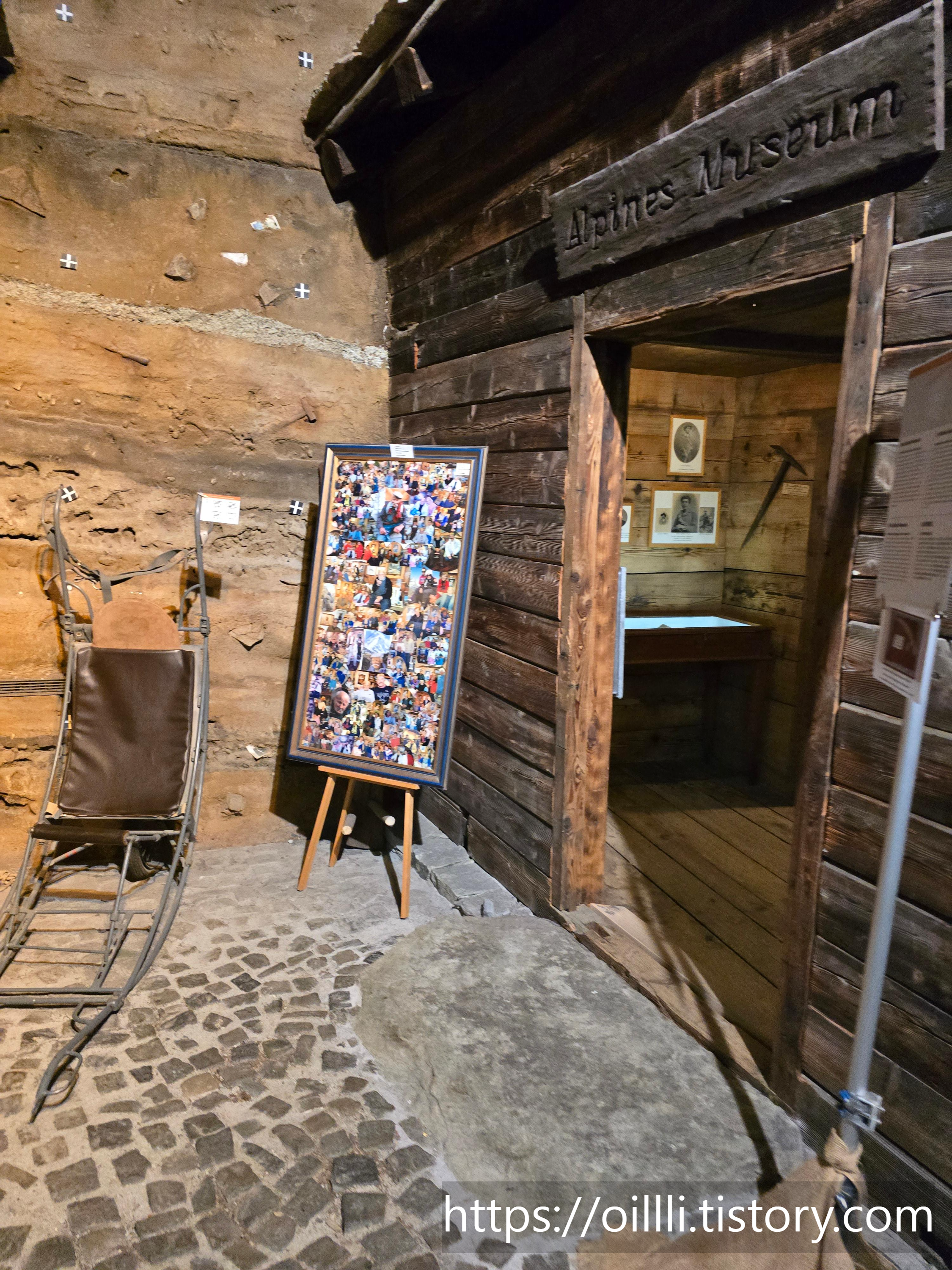
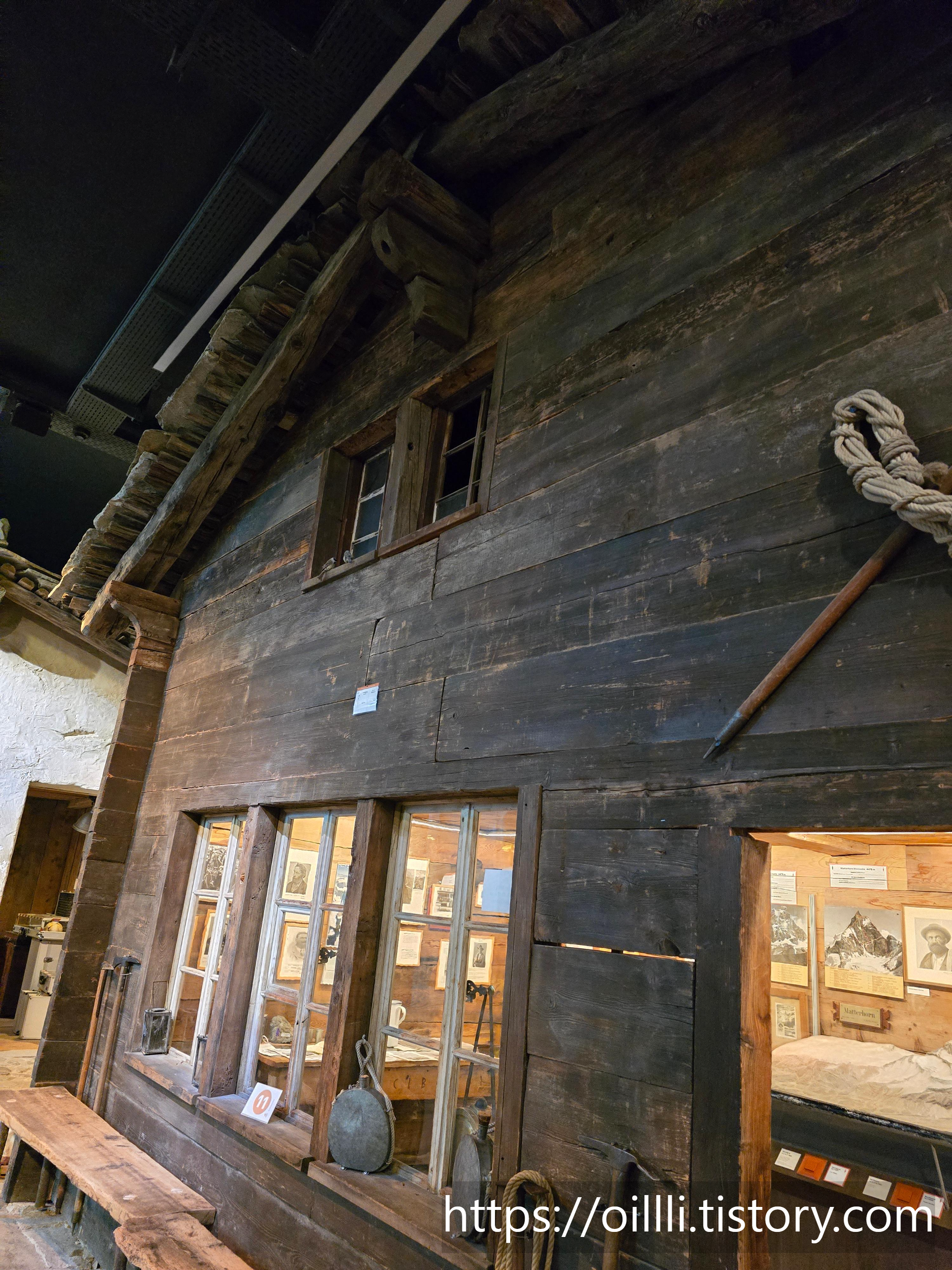
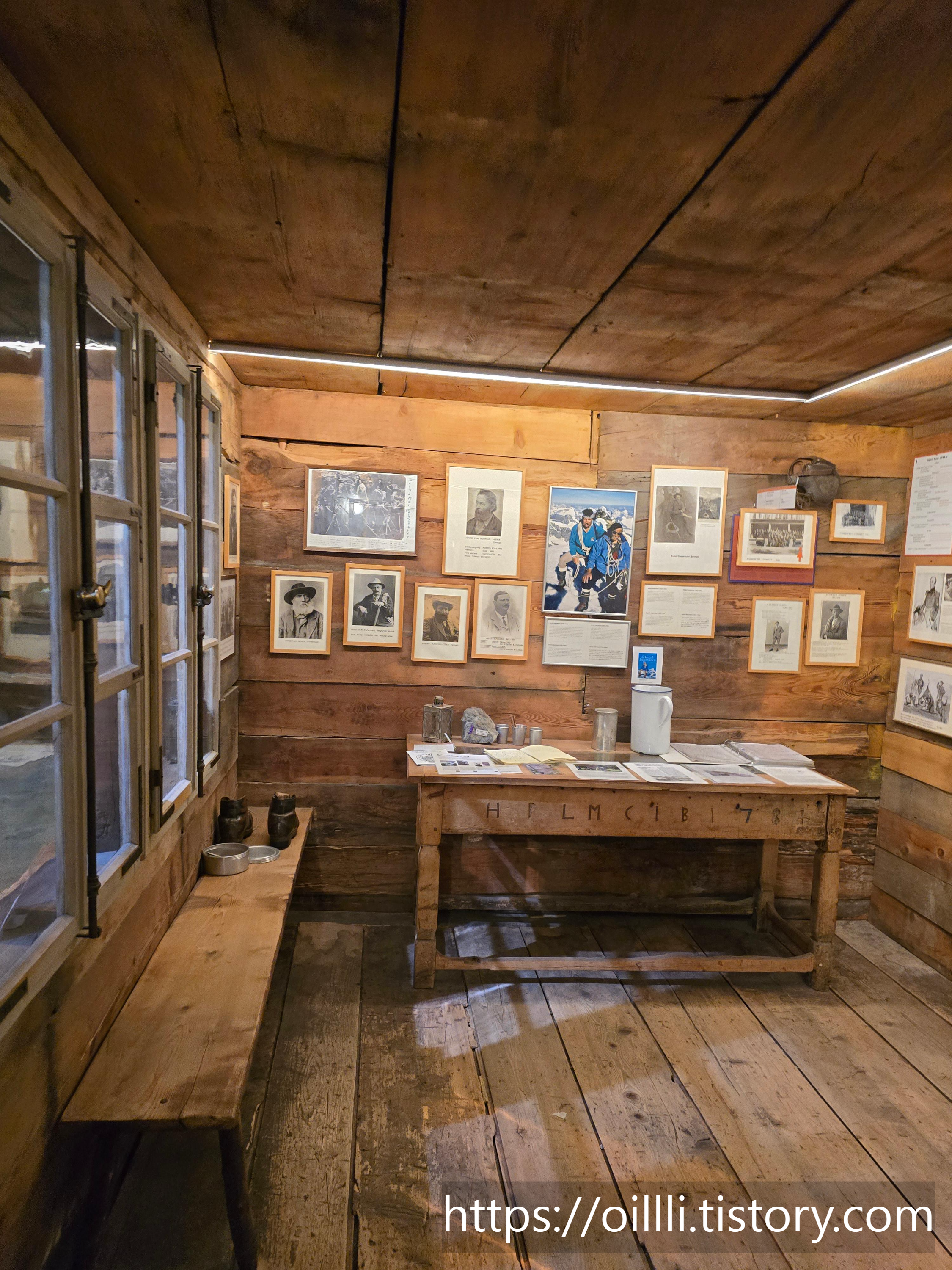
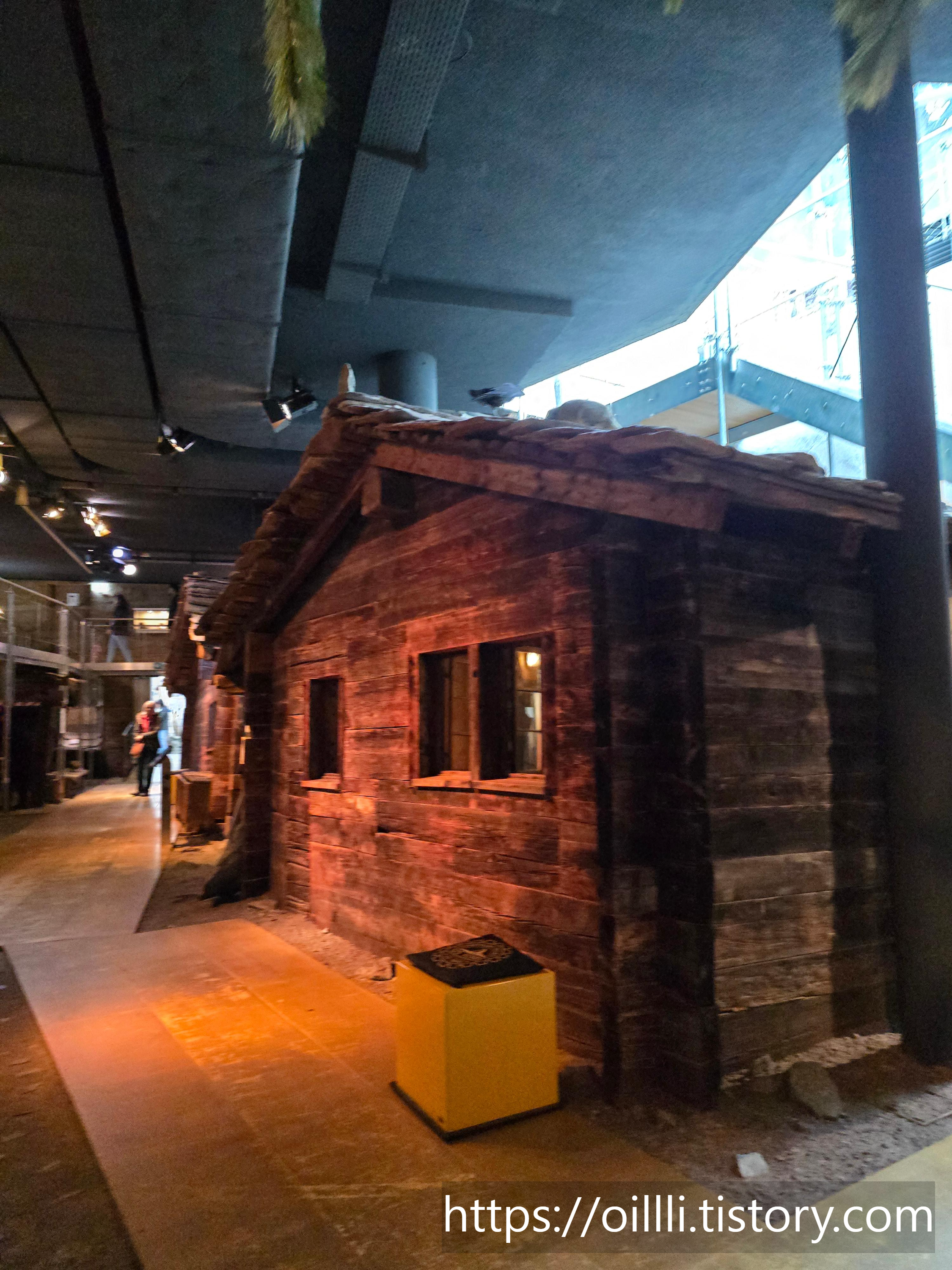
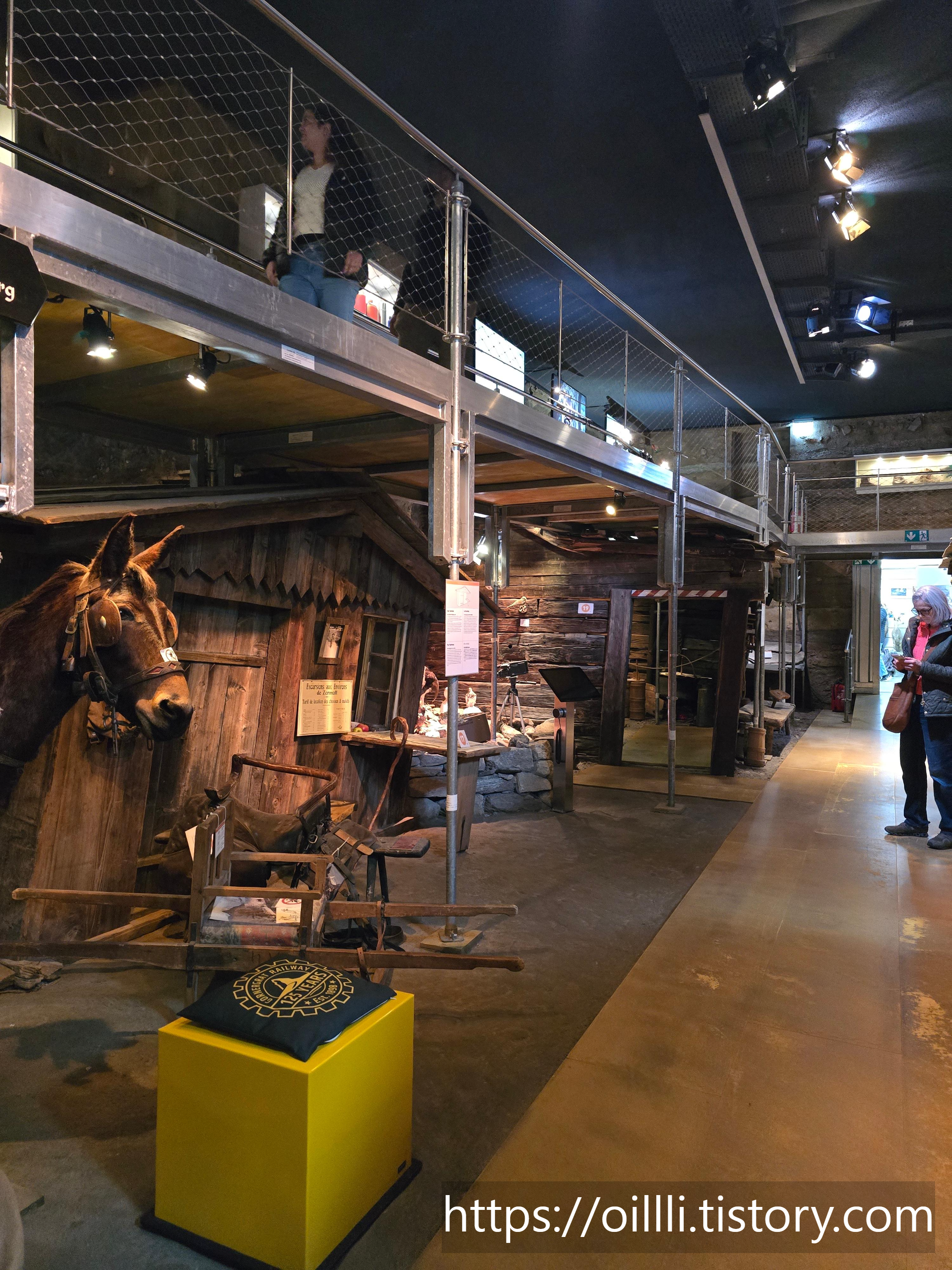
이 박물관이 특별한 이유 중 하나는, 14채의 전통 목조건물을 실물 크기로 재현해 놓았다는 점입니다.
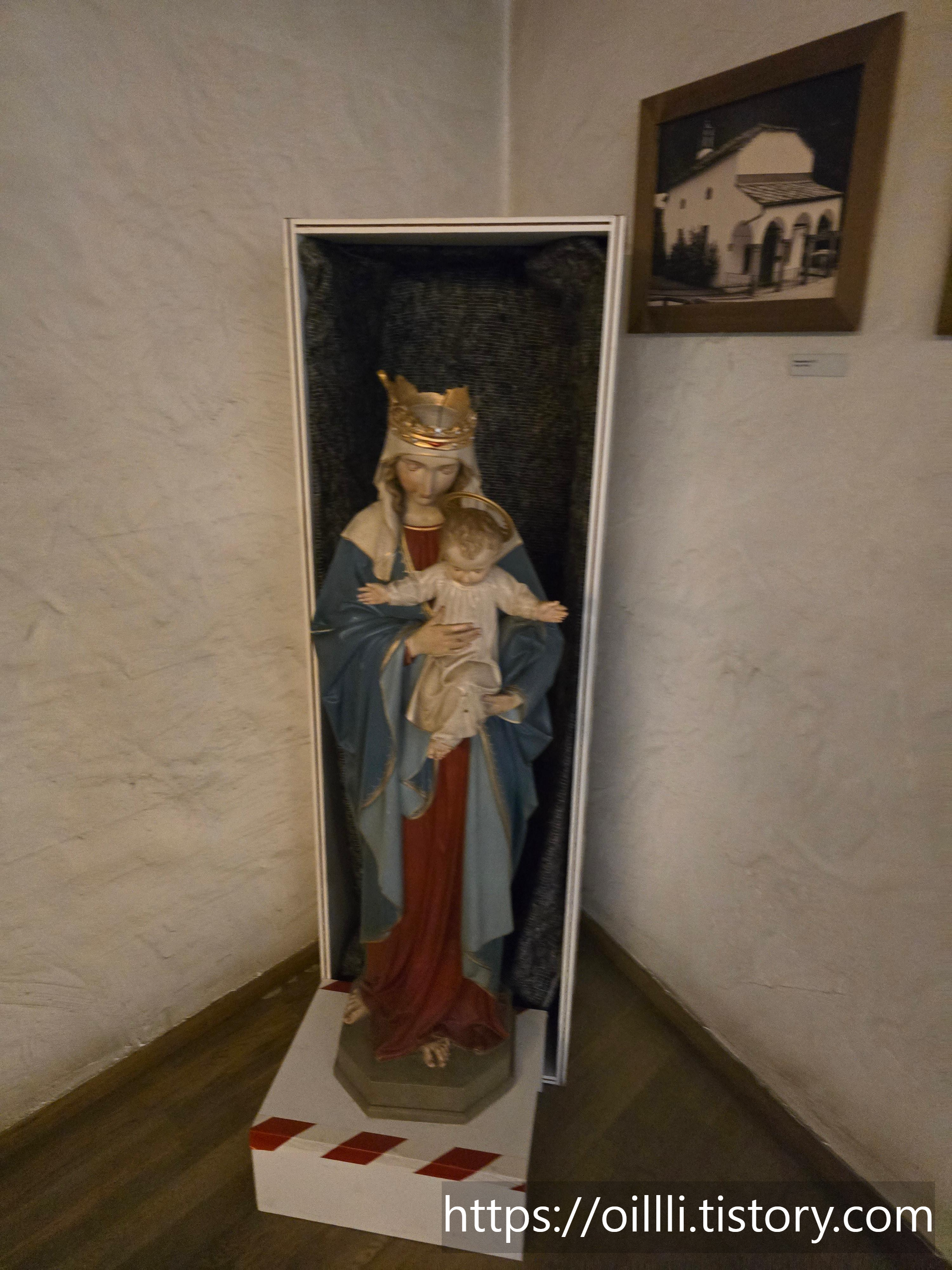
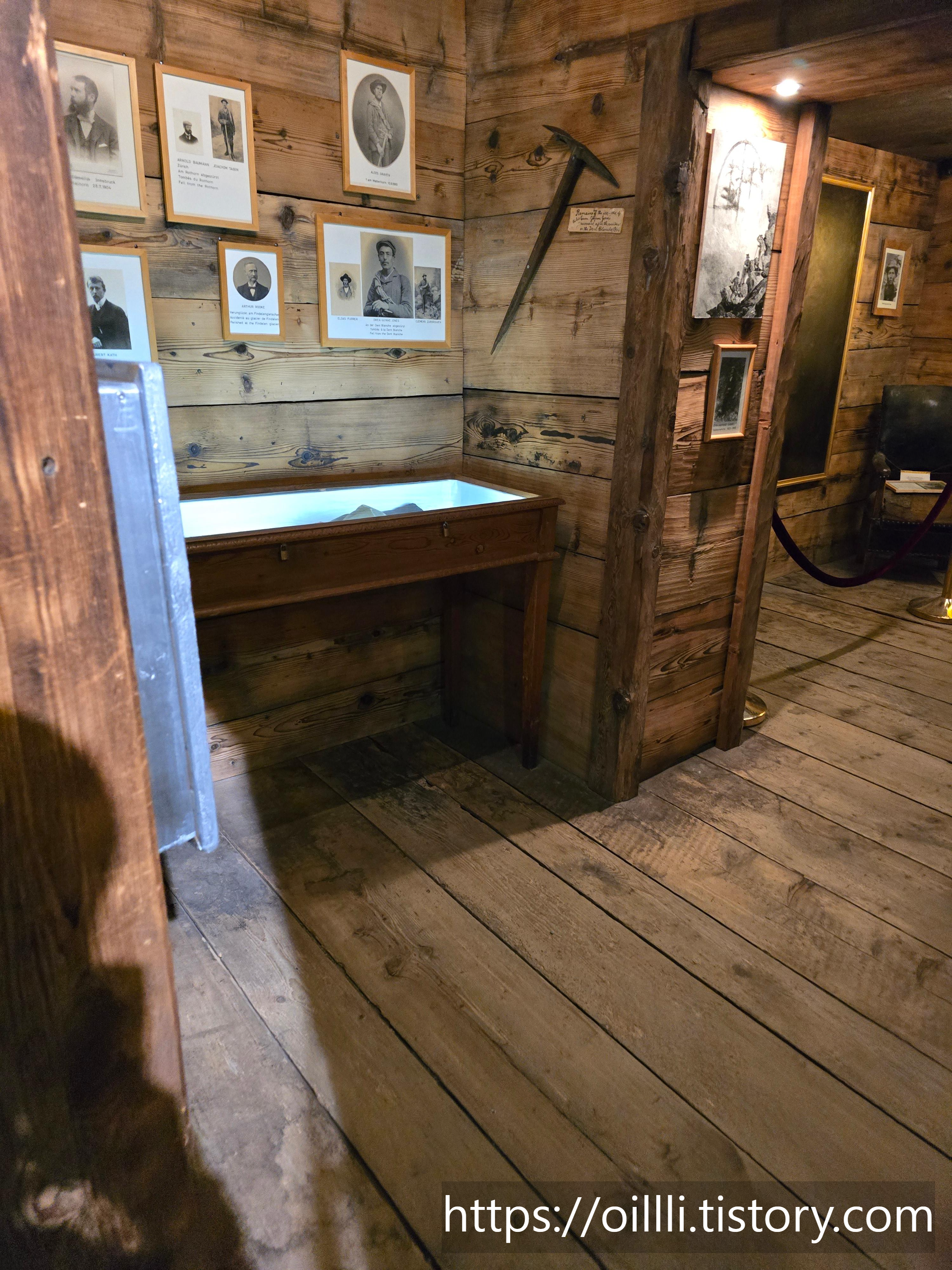
교회, 구(舊) 숙소, 저장고, 헛간, 목수 작업장 등 19세기 알프스 마을의 일상이 그대로 재현되어 있습니다.
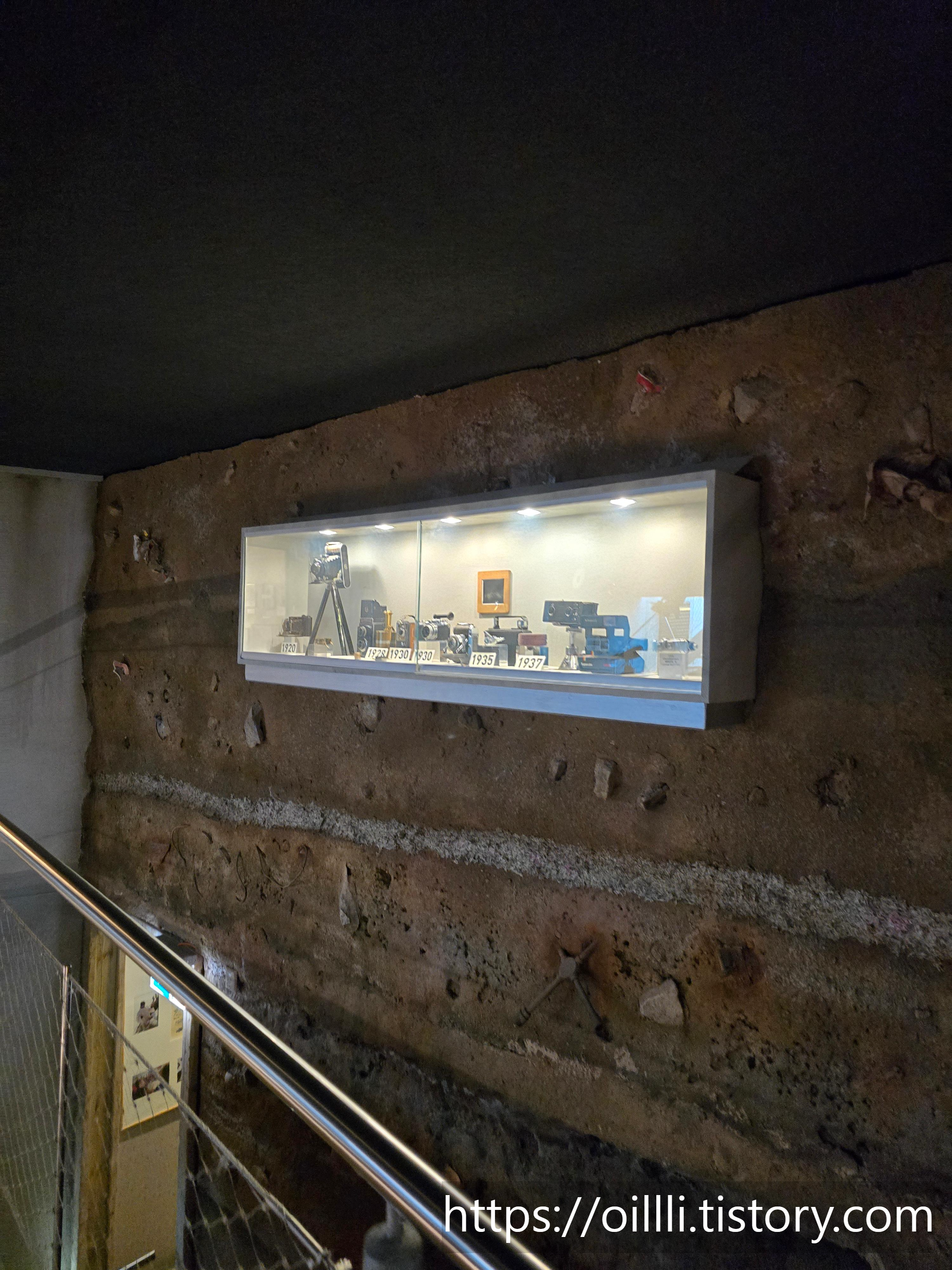
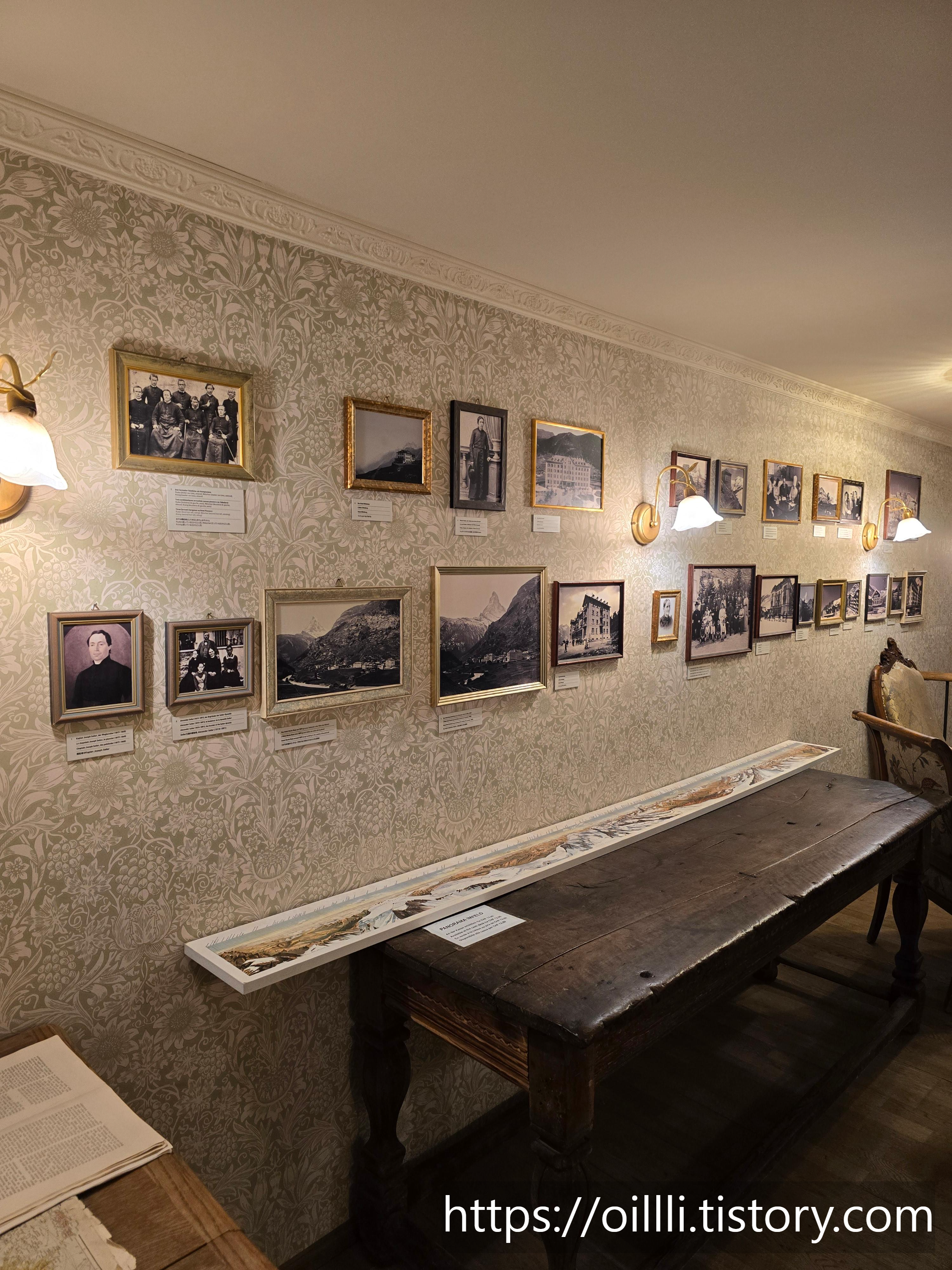
그 안으로 들어가면 당시 사람들의 생활 방식, 주거 구조, 농기구와 가구 등을 직접 눈으로 확인할 수 있어 마치 시간 여행을 하는 기분이 듭니다.
마테호른의 전설적인 첫 등정 이야기
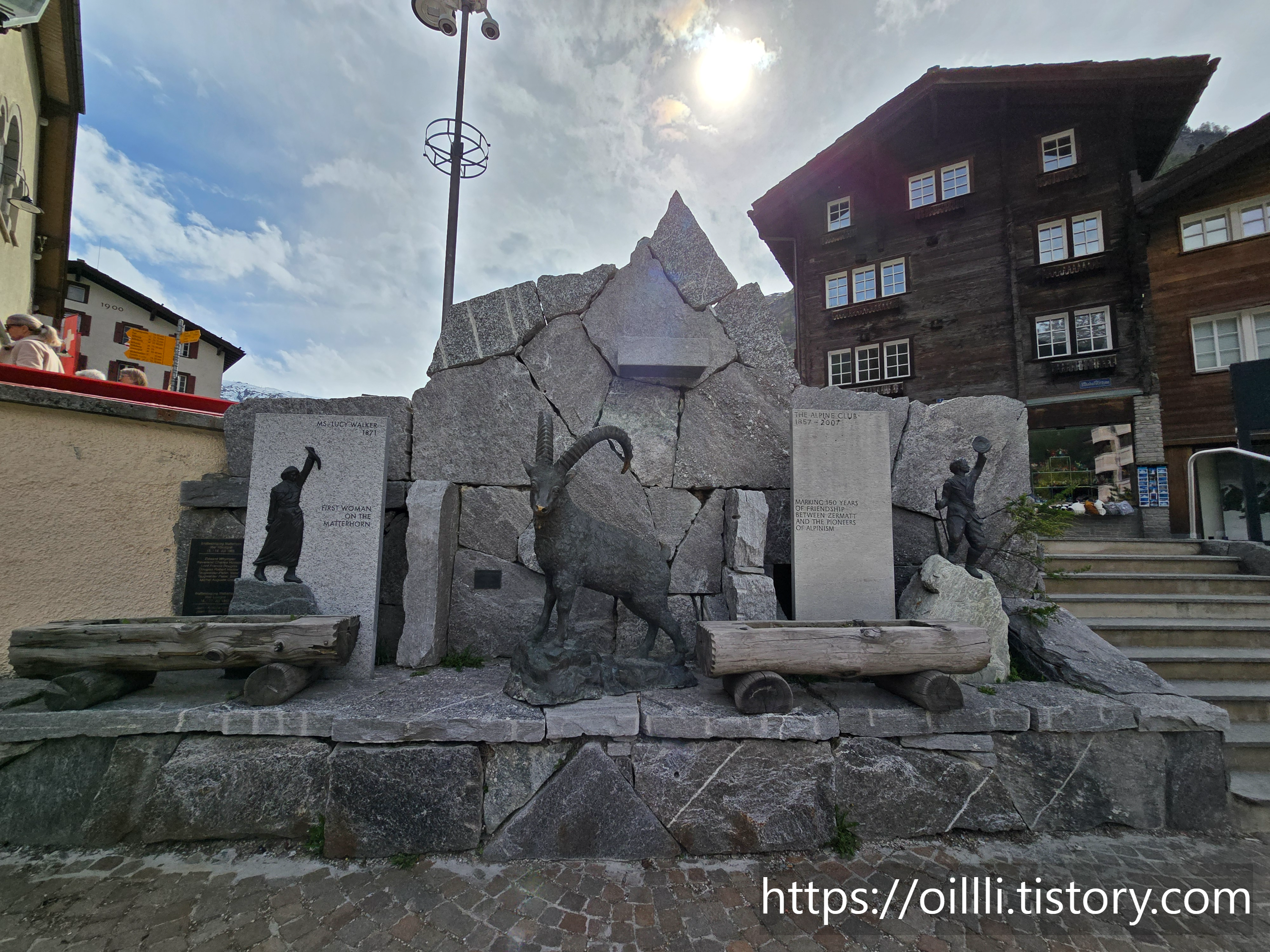
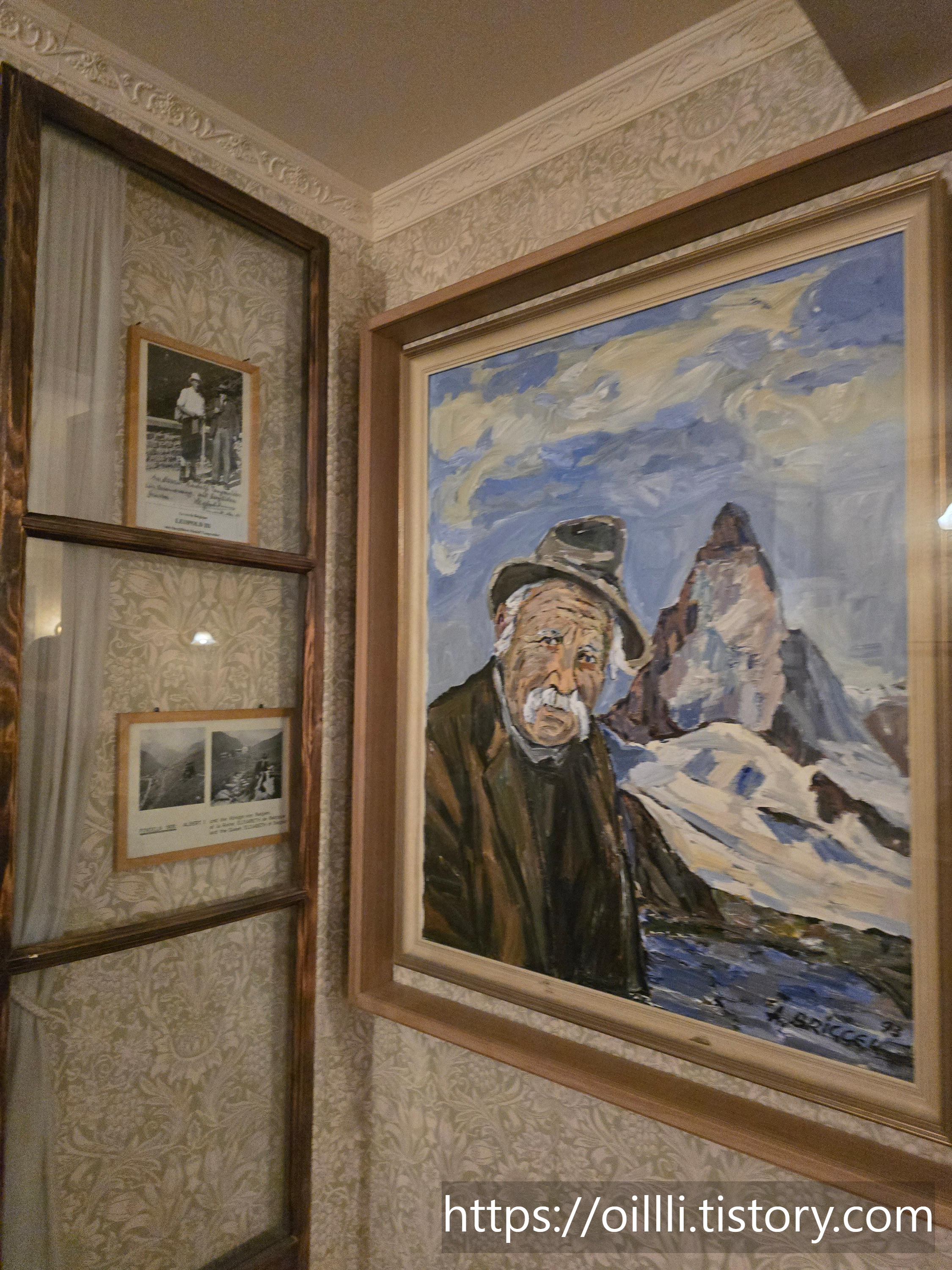
마테호른(Matterhorn)은 알프스의 상징과도 같은 산입니다.
해발 4,478m의 우아하면서도 험준한 피라미드형 봉우리는 수많은 등반가의 꿈이자 도전의 대상이었죠.
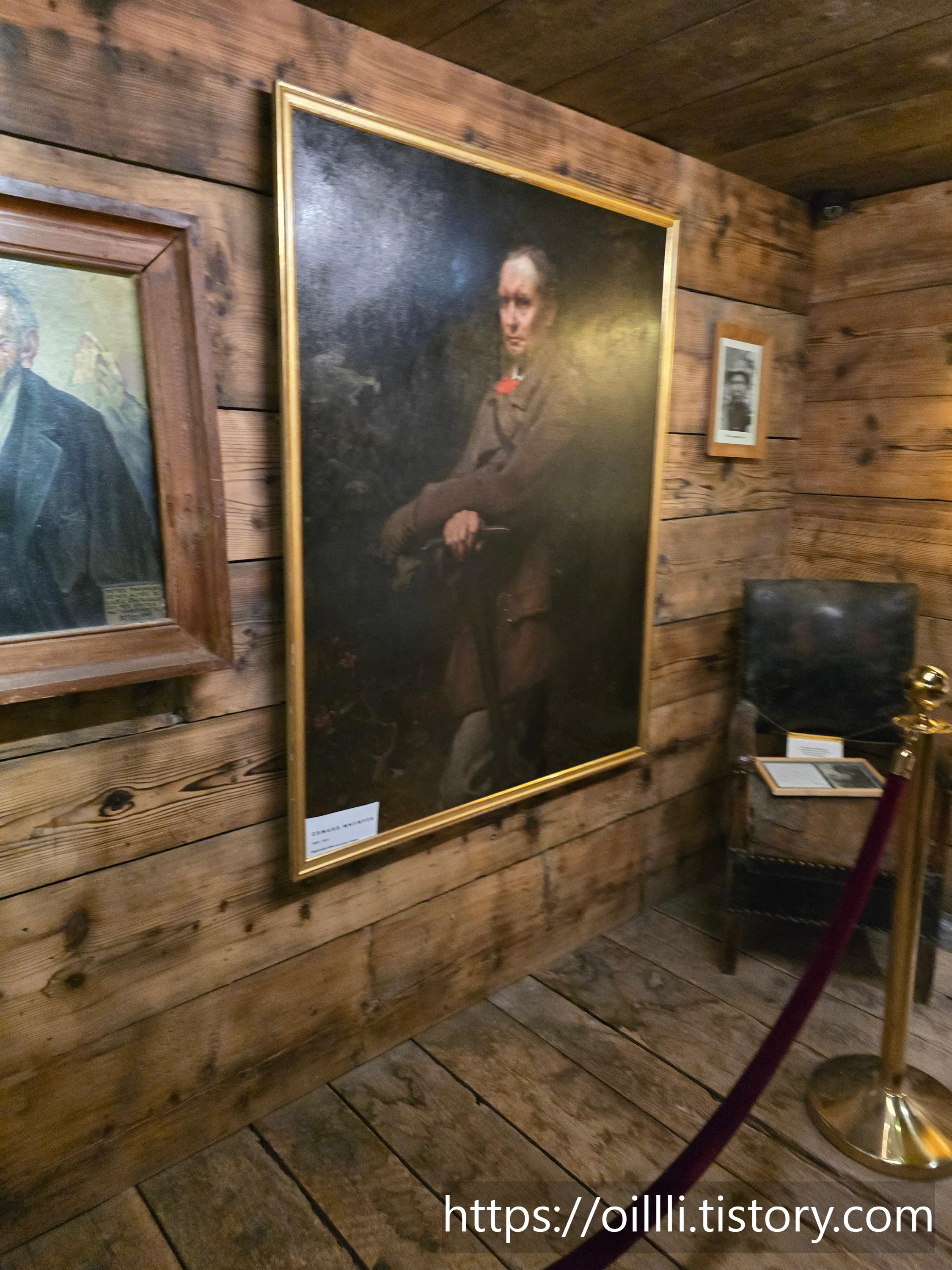
1865년, 영국인 에드워드 윔퍼(Edward Whymper)와 그의 일행은 마침내 마테호른 정상에 오르는 데 성공했습니다.
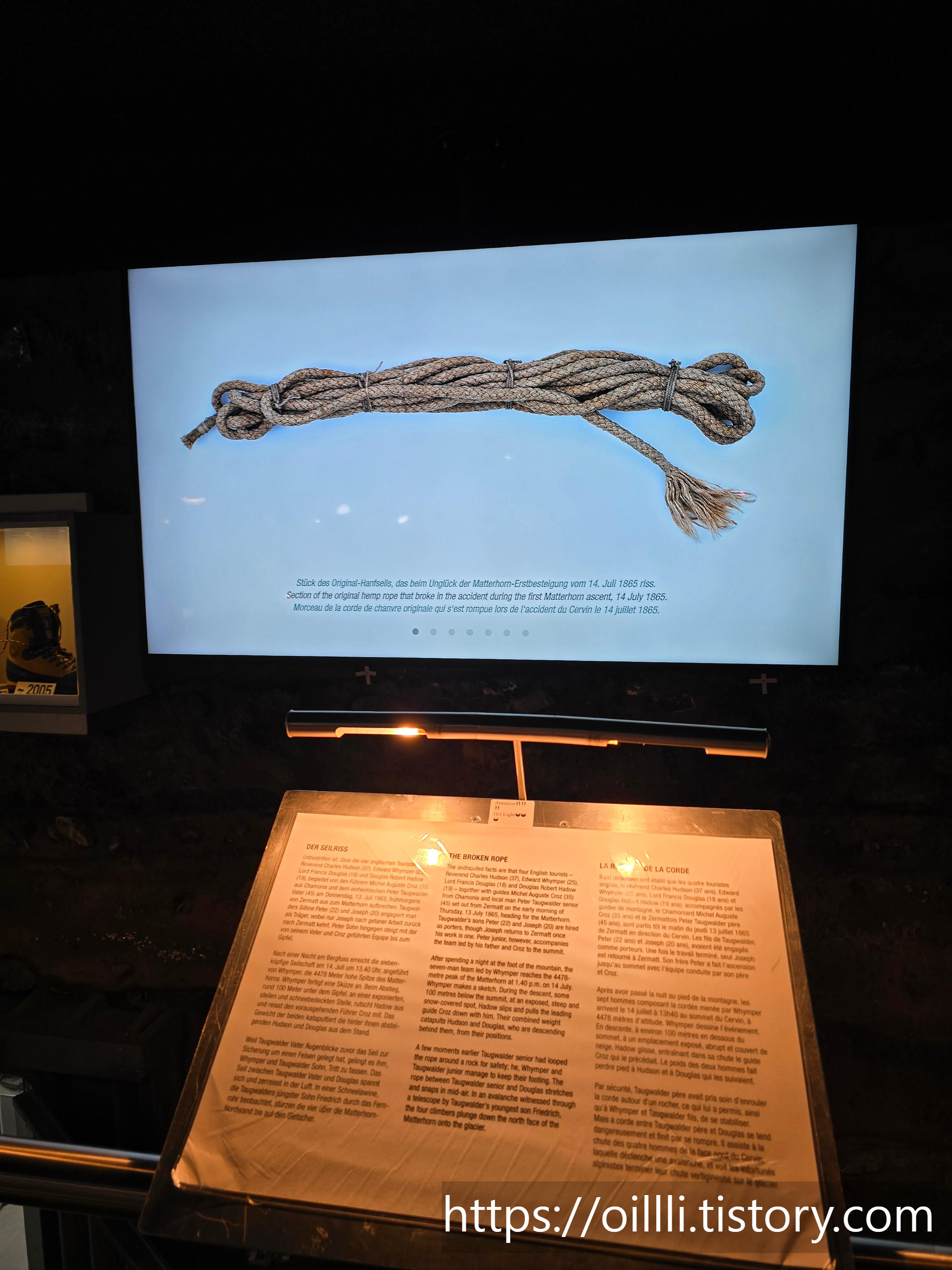
하지만 하산 도중 로프가 끊어지며 7명 중 4명이 추락사하는 비극이 벌어졌습니다.
박물관에는 그때 사용된 ‘끊어진 원본 로프’가 그대로 전시되어 있어, 당시의 긴장감과 슬픔을 고스란히 느낄 수 있습니다.
또한 사망자들의 등산 장비, 의류, 유품도 전시되어 있어, 마테호른이 왜 ‘위험한 산’으로 불리는지 절감하게 됩니다.

선사시대부터 현대까지 – 방대한 전시물
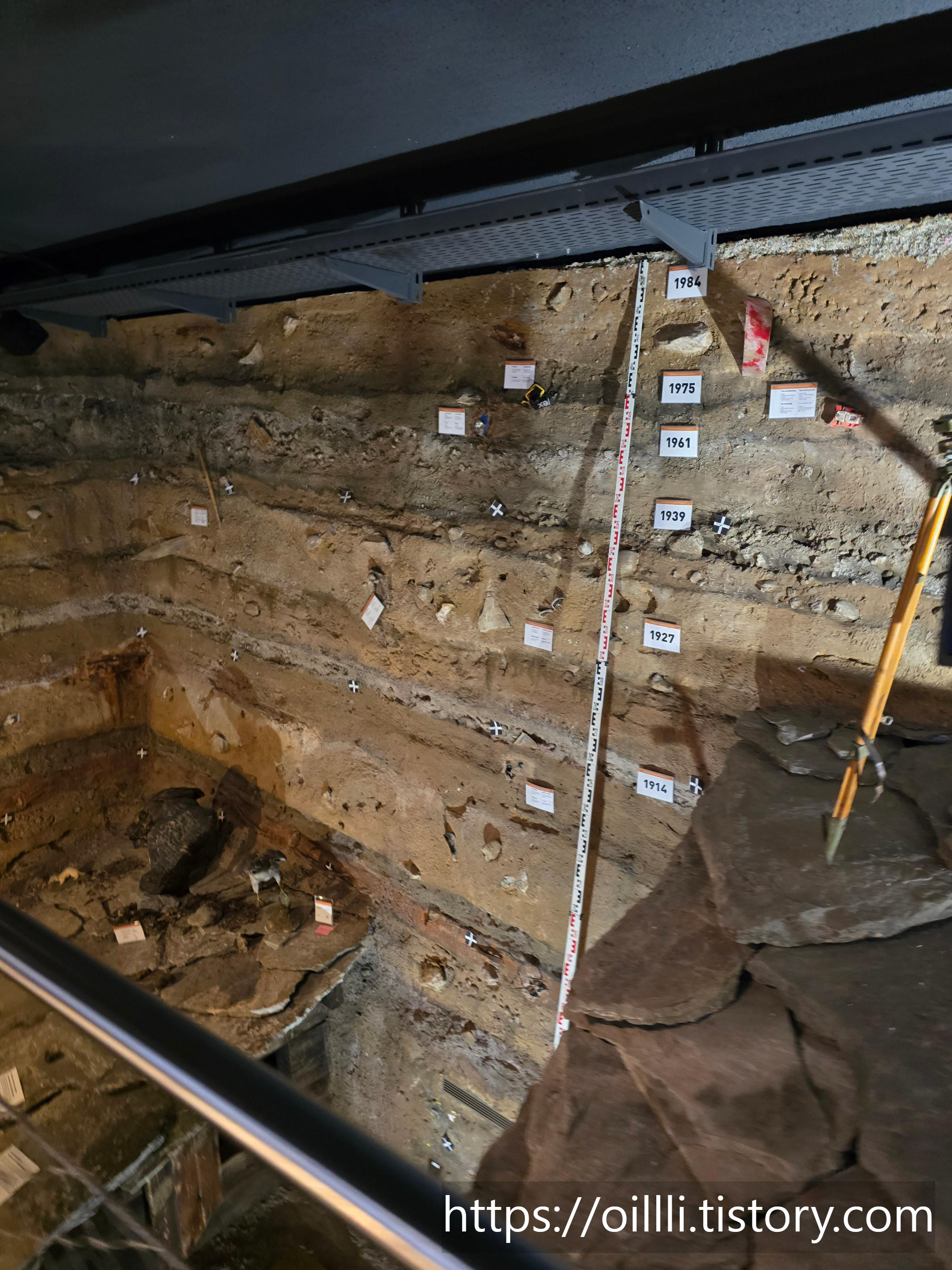
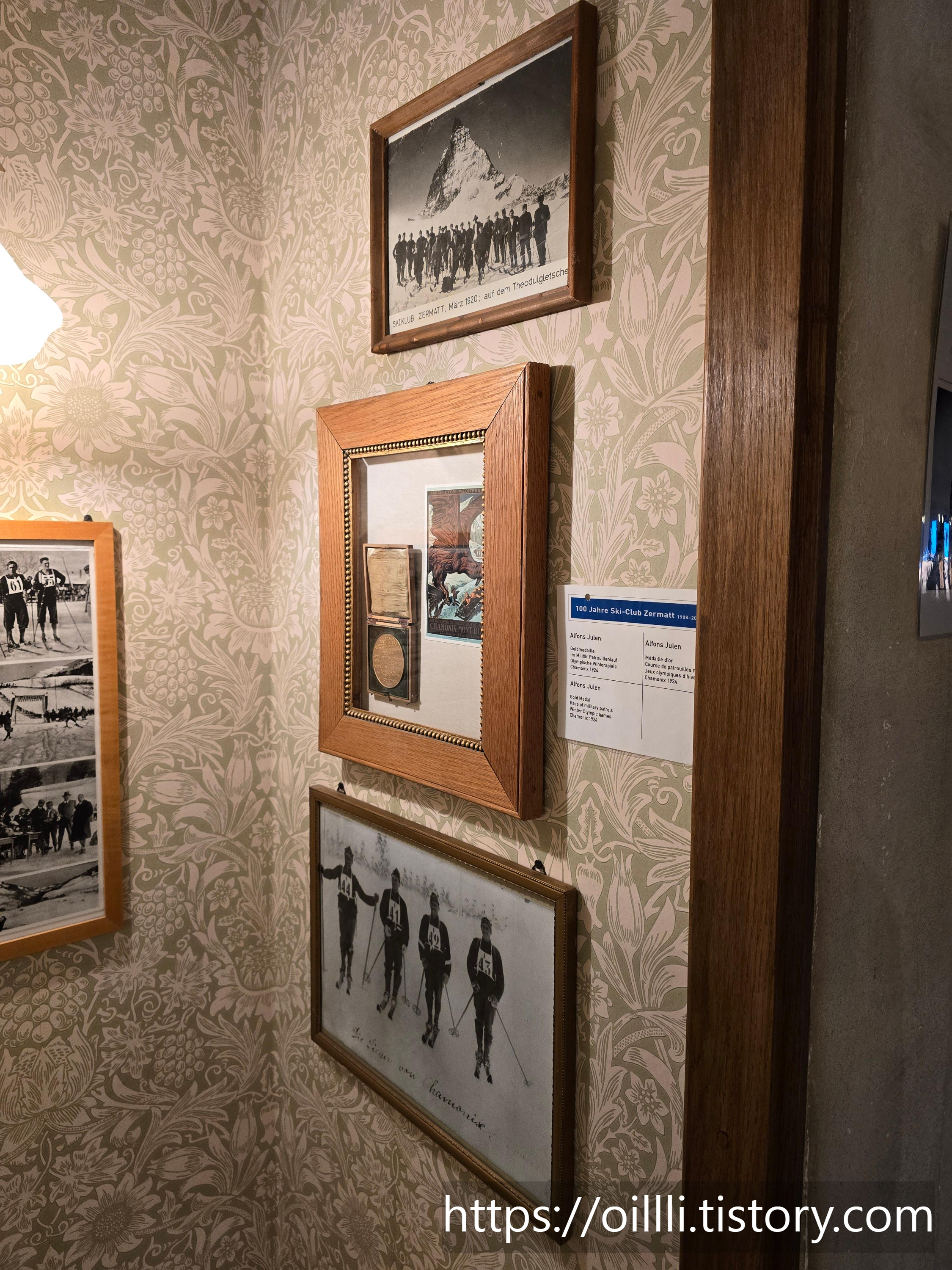
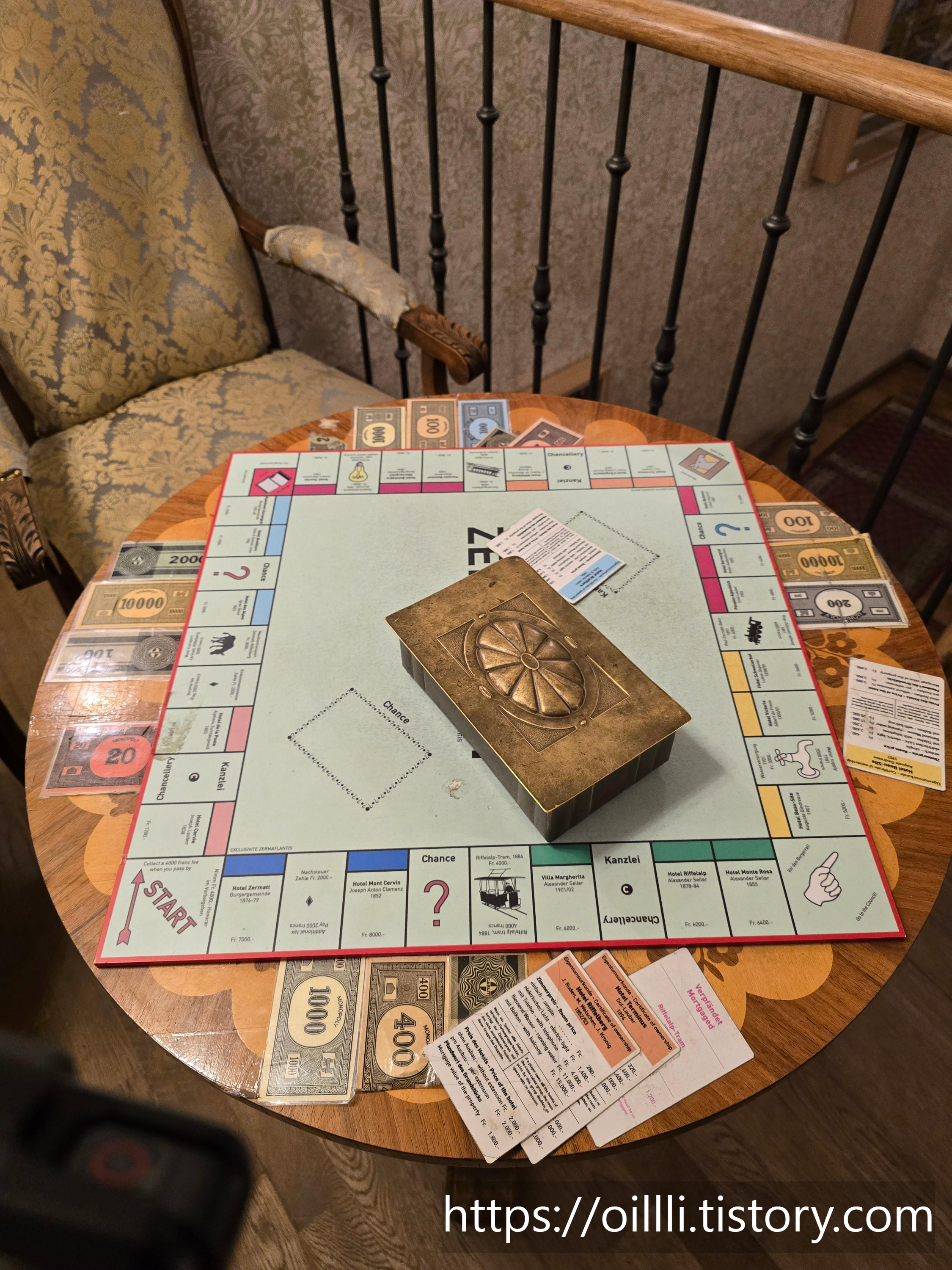
이 박물관의 매력은 단지 등반 역사에만 그치지 않습니다.
신석기 시대 석도(BC 3000~5000) : 알프스에서 발견된 원시 인류의 흔적.
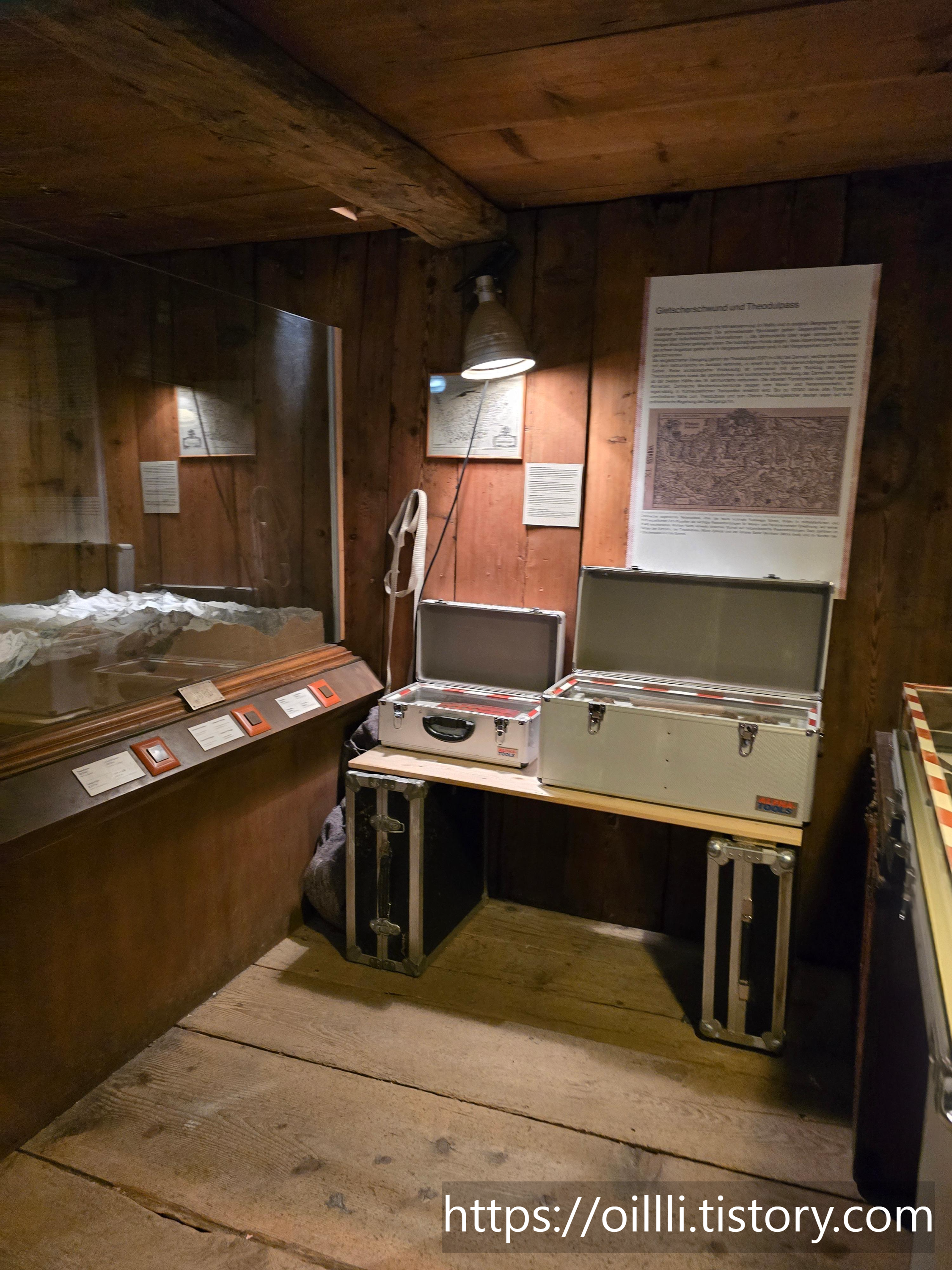
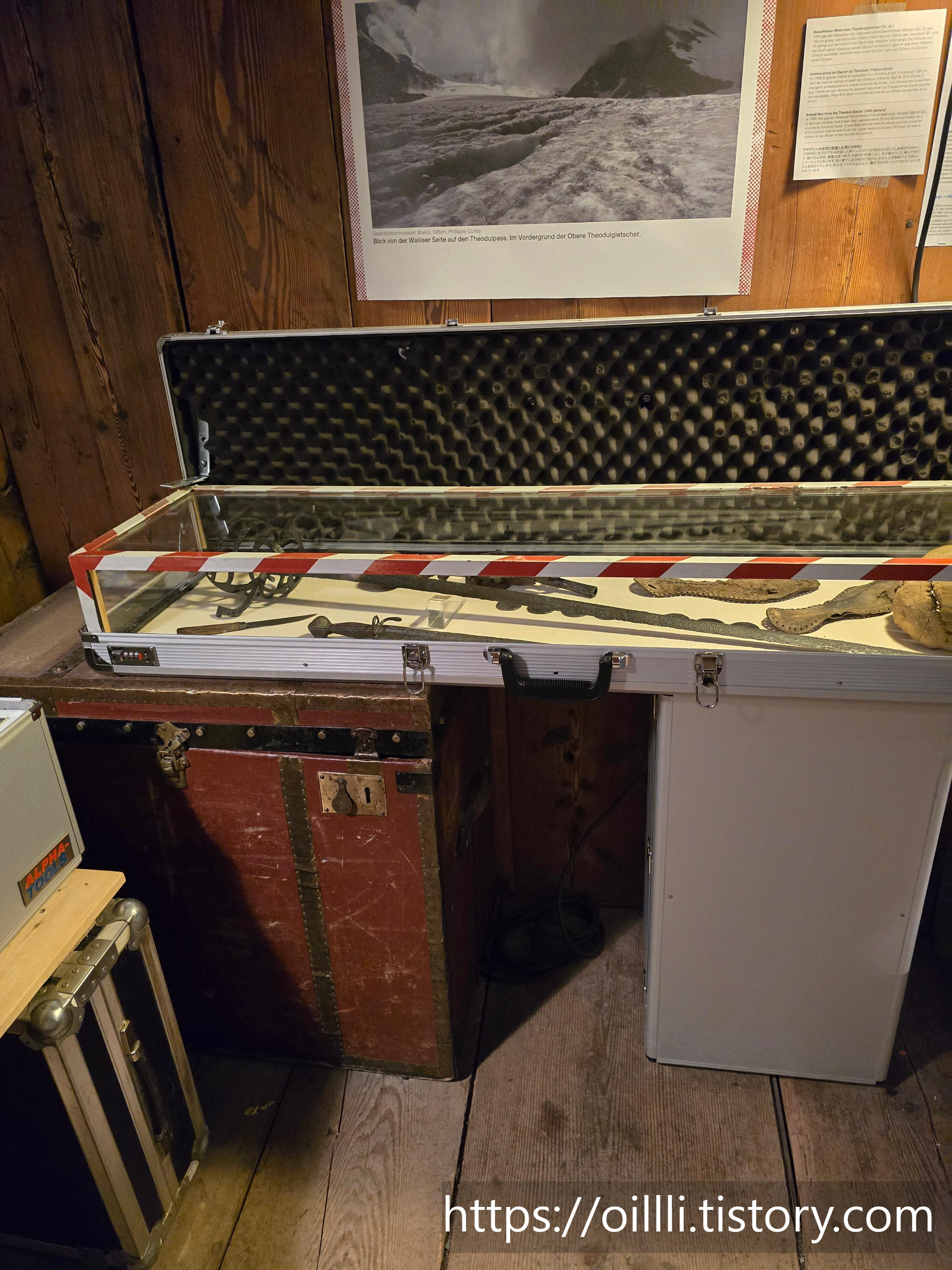
16세기 테오둘 패스(Theodul Pass) 유골과 유물 : 용병의 무기와 장비.
알프스 식물 표본과 생활 도구 : 혹독한 환경에서의 생존 방식.
유명 가이드 울리히 인더비넨(Ulrich Inderbinen)의 이야기 : 마테호른 371회 등정이라는 경이적인 기록.
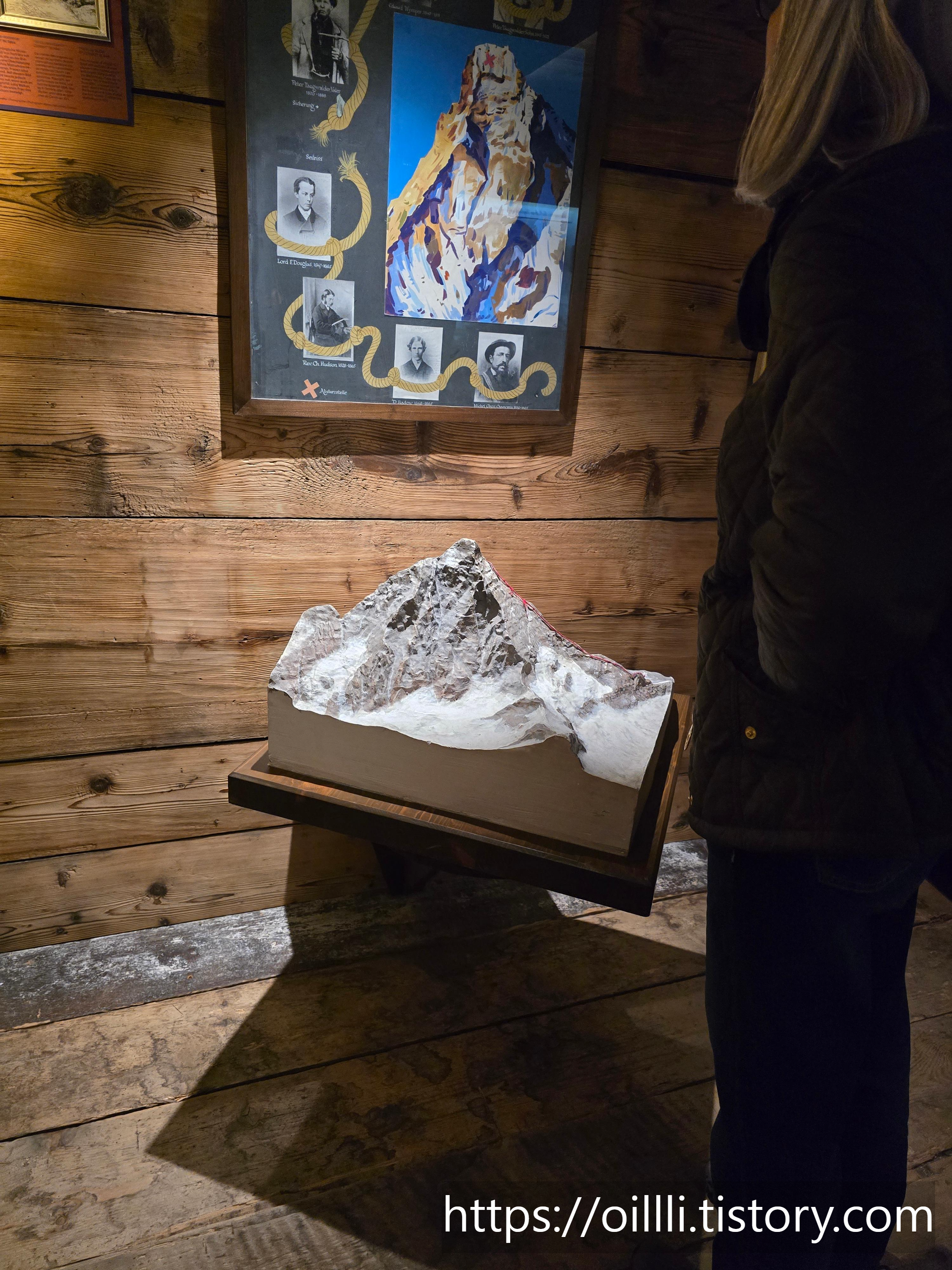
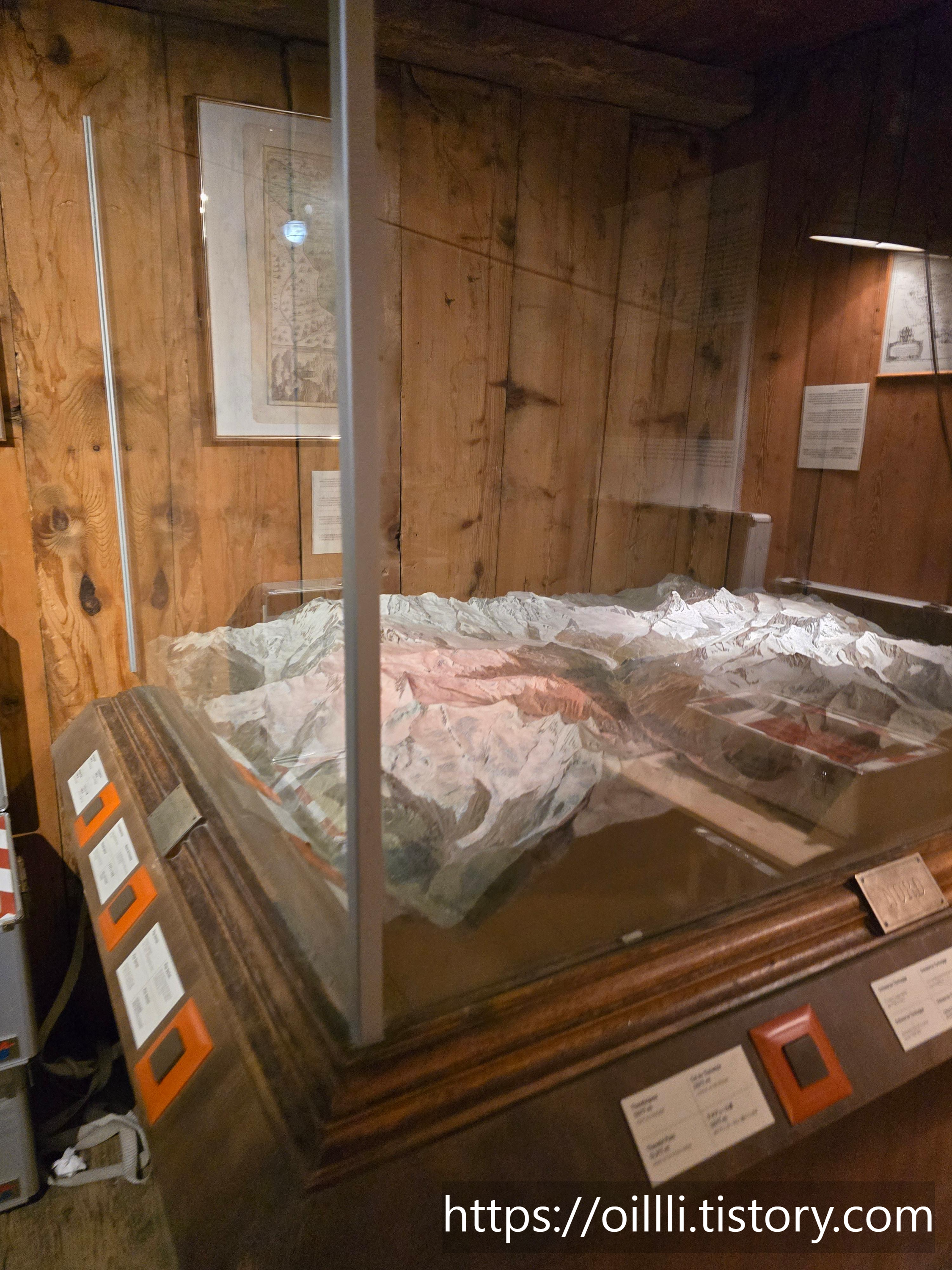
그리고 전시관 한쪽에는 멀티미디어 룸이 있어, 1937년 루이스 트렌커가 제작한 영화 “Der Berg ruft”(산이 부른다)의 일부를 상영합니다. 영화 속에는 실제 등정 중 벌어진 사고 장면과 당시의 등반 분위기가 생생하게 담겨 있습니다. 또한, 마테호른의 지형 모형과 함께 주요 등정 루트가 조명으로 표시되어, 등반 경로를 직관적으로 이해할 수 있습니다.
우주까지 간 마테호른
1993년, 스위스 우주비행사 클로드 니콜리에(Claude Nicollier)는 우주왕복선 엔데버에 마테호른 정상의 돌 조각을 가져갔습니다.
그 돌의 일부가 이 박물관에 전시되어 있어, 마테호른이 단지 한 나라의 명산이 아닌, 전 세계적인 상징임을 느끼게 합니다.
방문 팁
소요 시간 : 최소 1시간~1시간 30분, 전시를 꼼꼼히 보려면 2시간 이상.
관람객 구성 : 한국인 방문객은 드물고, 주로 유럽인·일본인이 많음.
언어 지원 : 독일어, 영어, 프랑스어, 일본어 오디오 가이드 제공.
날씨 영향 없음 : 지하 전시라 비·눈·바람에도 영향 받지 않음.
입장료 : 성인 CHF 12(변동 가능), 스위스 트래블 패스 소지 시 할인 가능.
“날씨가 안 좋을 때 잠시 들르는 곳”이라고 생각했다가, 오히려 체르마트에서 가장 오래 머물렀던 장소가 이곳이었습니다.
마테호른의 위엄, 체르마트의 역사, 알프스의 삶이 한 공간에서 완벽하게 녹아 있는 곳.
체르마트를 찾는다면, 이곳을 그냥 지나치지 마세요.
마테호른 산악박물관은 겉보기에는 작은 공간처럼 보이지만, 안으로 들어서면 그 깊이와 스토리에 감탄하게 됩니다.
체르마트의 과거와 현재, 그리고 마테호른의 모든 것을 알고 싶다면 반드시 방문하세요.
날씨가 좋든 나쁘든, 그곳에서 보내는 시간은 여행의 밀도를 훨씬 높여줄 것입니다.
동영상 서비스가 종료되어 해당 콘텐츠를 재생할 수 없습니다.













When you travel, there are some hidden attractions that you can quietly admire as much as hot places that are crowded with people. Today's introduction is the Matterhorn Museum – Zermatlantis in Zermatt, Switzerland. It's a waste to think of it as an "alternative course" when the weather is bad, and it's a place worth taking the time to visit even if it's sunny.
I also came across it while traveling to Cermatt, and I admired the much more fruitful composition and in-depth exhibition than I thought.
Perhaps if you read this, you will really want to put it in your schedule when you go to Chermart.
Underground Museum in the Glass Pyramid
The Matterhorn Mountain Museum is located in #Kirchplatz, central Chermat.
From the outside, you can only see the entrance in the form of a glass pyramid, so it's easy for first-timers to pass by, "Is it a small information center?"
But if you go down this entrance, you'll see a whole different world.
The large exhibition space underground gives you the impression of entering a 'hidden Alpine village'.
Key to Exhibition – 14 life-size traditional wooden buildings
One of the reasons why this museum is special is that it has life-size reproductions of 14 traditional wooden buildings.
The daily lives of the 19th century Alpine village are recreated as they are, including churches, old (舊) accommodations, storage, sheds, and carpenters' workshops.
If you go inside it, you can see people's lifestyles, housing structures, agricultural equipment and furniture at that time, so you feel like you're traveling through time.
The Legendary First Climbing Story of the Matterhorn
The Matterhorn is a mountain that is also a symbol of the Alps.
At 4,478 m above sea level, the elegant yet rugged pyramid-shaped peak was the dream and challenge of many climbers.
In 1865, Englishman Edward Whymper and his party finally succeeded in reaching the summit of the Matterhorn.
However, the rope broke during the descent and four out of seven fell to death.
The museum displays the 'broken original rope' used at that time, so you can feel the tension and sadness of the time.
Also on display are mountain climbing equipment, clothing, and keepsakes for the dead, which helps you understand why the Matterhorn is called a 'dangerous mountain'.
from prehistoric times to modern times – vast exhibits
The museum's charm is not just about climbing history.
Neolithic stone drawings (3000-5000 BC): traces of primitive humans found in the Alps.
Theodul Pass remains and relics of the 16th century: weapons and equipment of mercenaries.
Alpine plant specimens and living tools: survival in harsh conditions.
The Story of Ulrich Inderbinen, a famous guide: a phenomenal record of the 371th ascent of the Matterhorn.
And on one side of the exhibition hall, there is a multimedia room that plays part of the 1937 film Der Berg ruft, which was produced by Lewis Trenker. The film vividly shows the accident that took place during the actual ascent and the atmosphere of the climb at the time. In addition, the main ascent route is illuminated with a model of the Matterhorn's topography, providing an intuitive understanding of the route.
the Matterhorn that went all the way to space
In 1993, Swiss astronaut Claude Nicollier took a piece of stone from the summit of the Matterhorn to the shuttle Endeavour.
Part of the stone is displayed in this museum, making you feel that the Matterhorn is not just a famous mountain of a country, but a global symbol.

Visiting Tips
Time required: at least 1 hour to 1 hour and 30 minutes, at least 2 hours to view the exhibition carefully.
Composition of visitors: Korean visitors are rare, mainly European and Japanese.
Language Support: German, English, French, and Japanese audio guides provided.
No weather impact: It is not affected by rain, snow, or wind because it is an underground exhibition.
Admission fee: adult CHF 12 (variable), discount available for carrying Swiss travel pass.
I thought it was "a place to stop by when the weather is bad," but rather, this was the place where I stayed the longest in Chermat.
Where the majesty of the Matterhorn, the history of Cermatt, and the life of the Alps are perfectly blended in one space.
If you're looking for Chermat, don't just walk past here.
The Matterhorn Mountain Museum looks like a small space on the surface, but when you step inside, you'll be amazed at its depth and story.
If you want to know the past and present of Cermatt and everything about the Matterhorn, be sure to visit.
Whether the weather is good or bad, the time spent there will increase the density of travel.